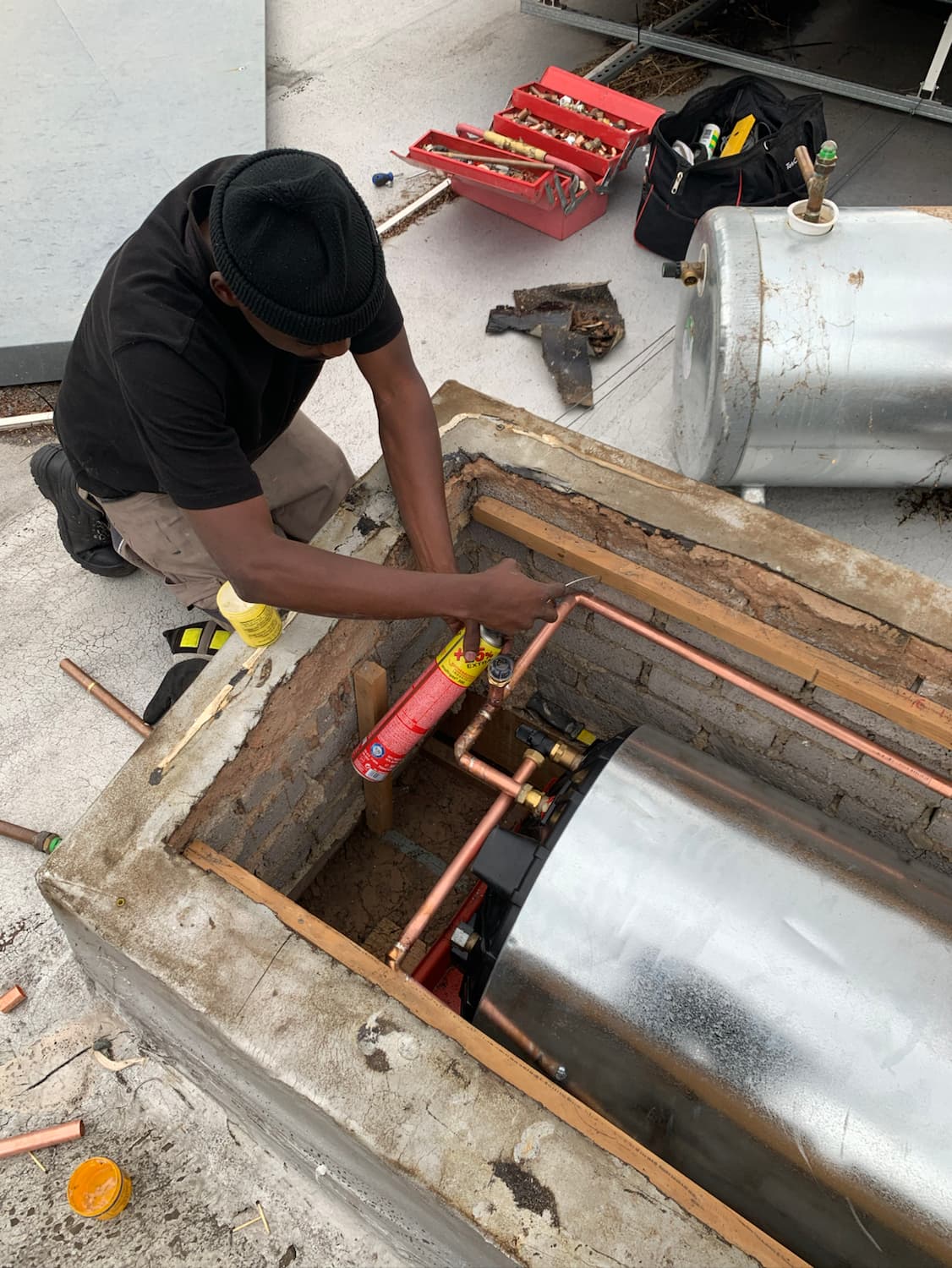
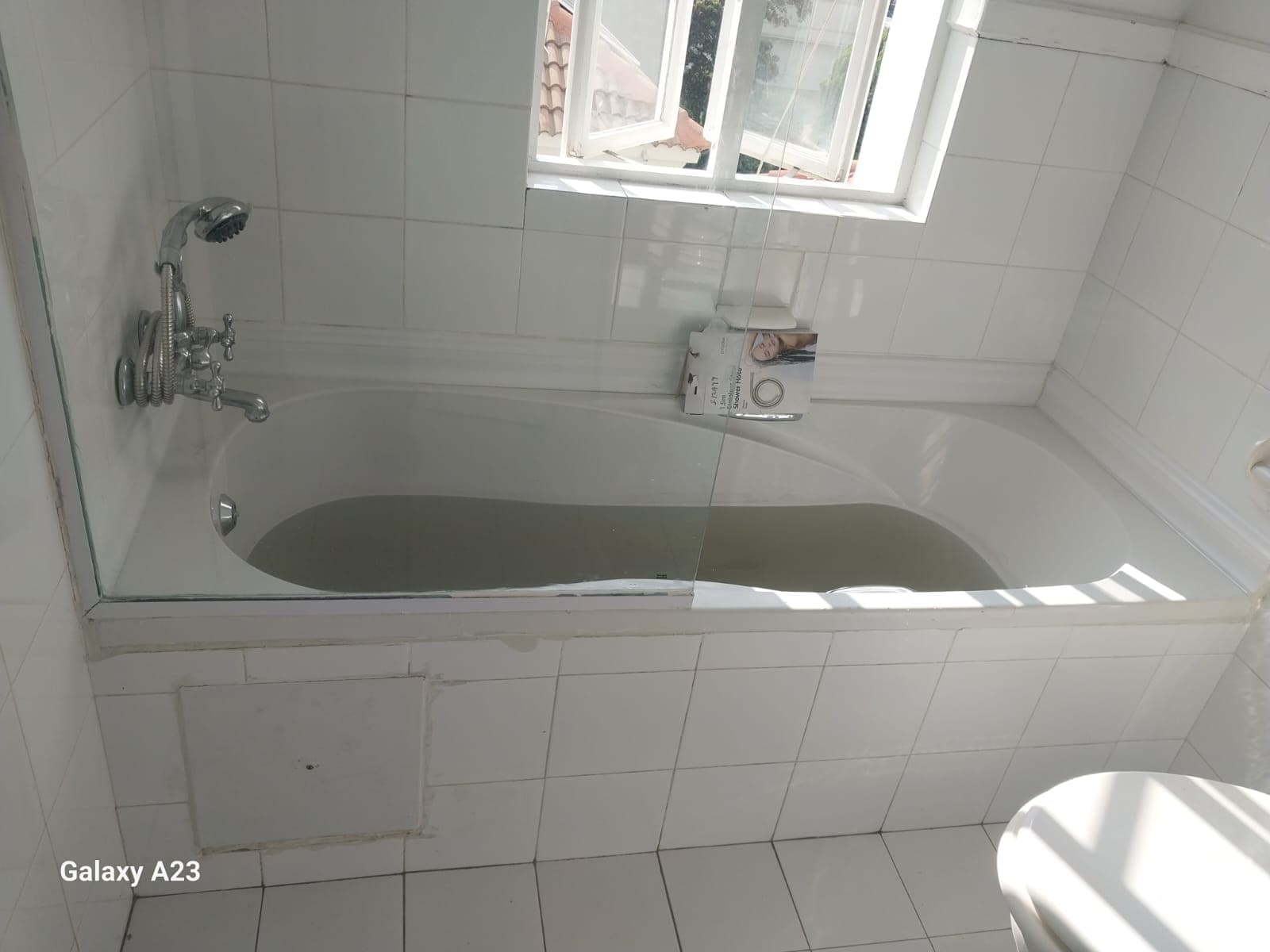
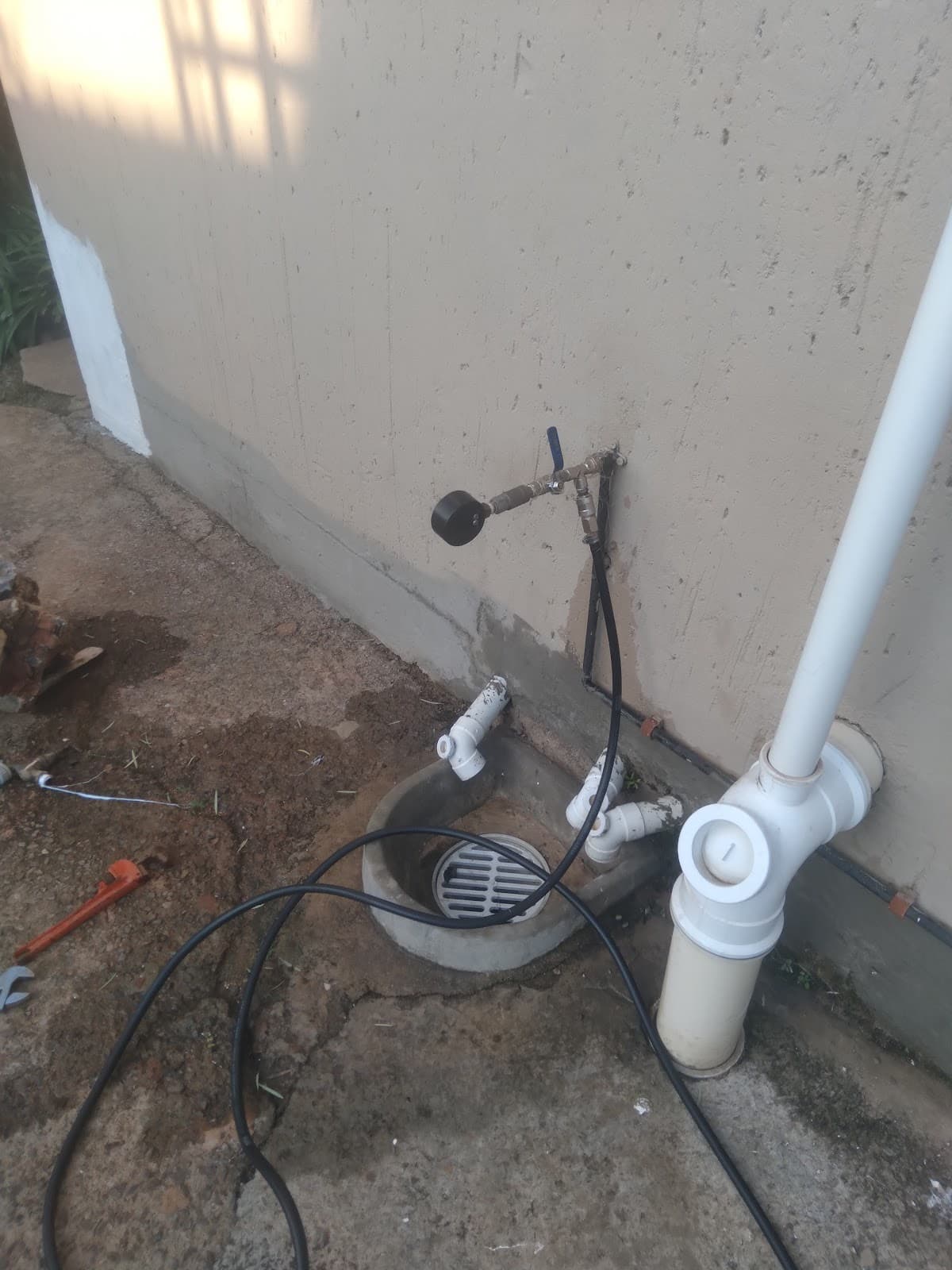
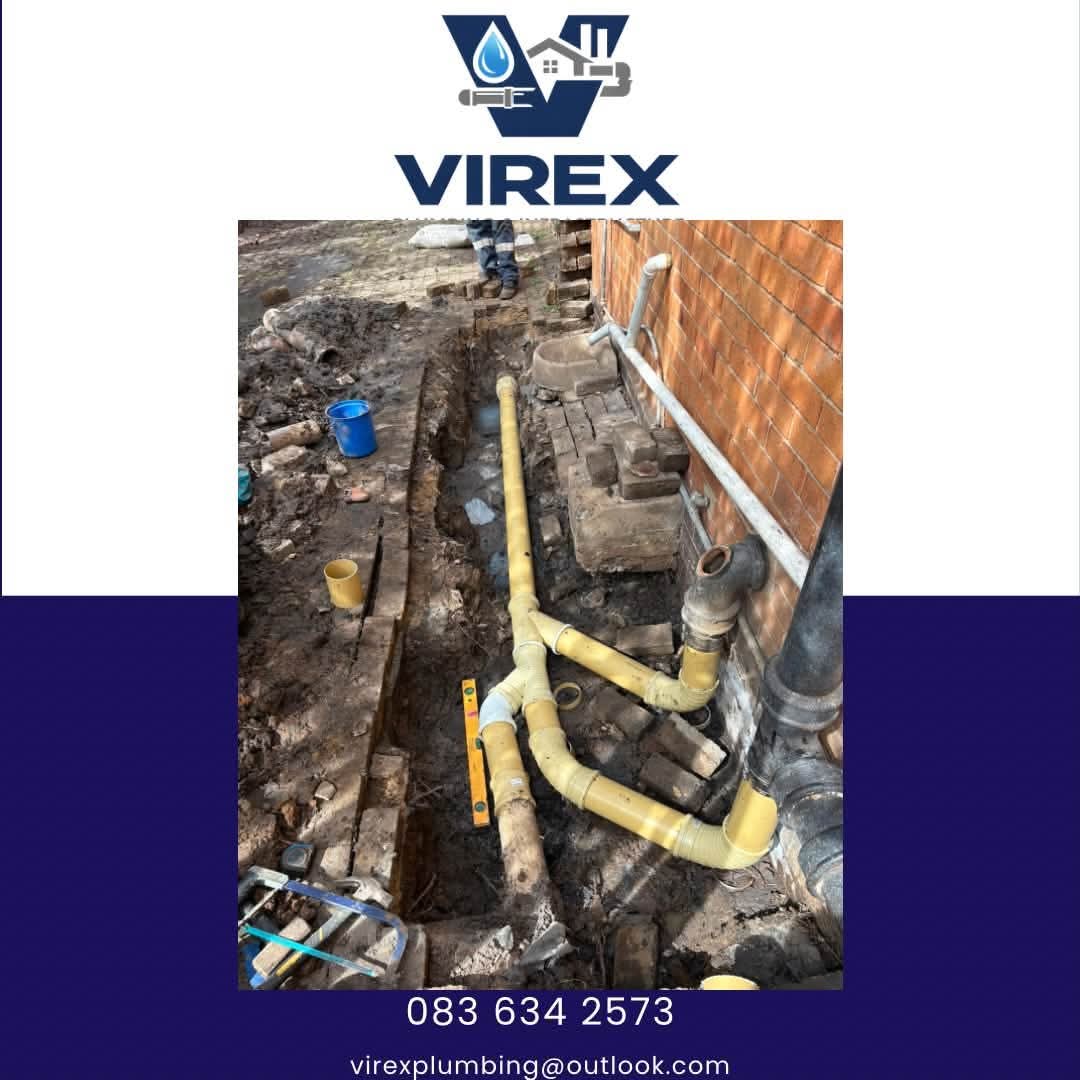





Water leak detection in Kyalami means locating a hidden leak — in a villa garden, a slab, or a commercial floor — without tearing the place up. In 2026, detection in Midrand starts from R600/hr, and most leaks are found within two hours of a site visit. I'm Mike Fleming: 18 years in the plumbing trade, 17 of them in Midrand, 1,670+ jobs completed, 21+ estate projects — and Kyalami is special to me because it's half villas, half office parks, and the two need very different approaches. This guide covers both: what detection costs, which method fits which building, how to test for a leak yourself, and a real office-park case study from Kyalami Park.
Written by Mike Fleming — 18 years in the plumbing trade, 17 of them working in Midrand. 1,670+ jobs completed, 21+ estate projects. Reviewed and approved by the midrandplumbers.co.za admin team · checked against the PIRB register, SANS 10400‑H and City of Johannesburg water regulations on 8 October 2026. Independently operated directory — no affiliation with listed providers.
Kyalami's two faces: villas and business parks
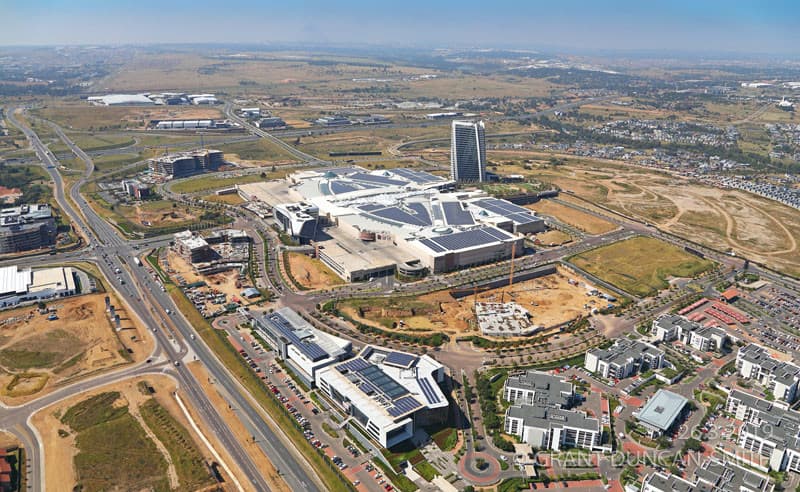
Kyalami and Kyalami Park mix large residential sections with offices, retail and light industrial units, and the leak problem looks different in each.
In the homes, the pattern is familiar: 1990s–2000s poly or CPVC mains now inside their service window, joints failing under Midrand's sandy red-soil ground, irrigation lines that quietly waste 2,000+ litres a day. The stakes are your water bill and, eventually, the paving or slab.
In the offices and retail units, the stakes are different and higher. A leak under a commercial floor plate can damage fit-outs, server rooms and client-facing areas; a hidden geyser-manifold or service-riser leak in a shared building affects multiple tenants; and when a landlord inspects or a lease transfers, undocumented leaks become a negotiated deduction. Commercial detection work therefore usually runs after hours or on weekends to avoid downtime, and the detection report is written to be handed to the property manager — that documentation is part of the job, not an extra.
Whichever side of Kyalami you're on, the first 10 minutes of diagnosis are the same, and they cost nothing.
Check for a hidden leak yourself — free
For a home or villa:
- The night meter test. Close every tap, geyser and irrigation valve; read the meter at 22:00 and 06:00 before anything runs. Movement means water is leaving.
- The cistern dye test. Food colouring in the cistern for 15 minutes; colour in the pan without a flush is a leaking flapper — the cheapest "leak" I fix all week.
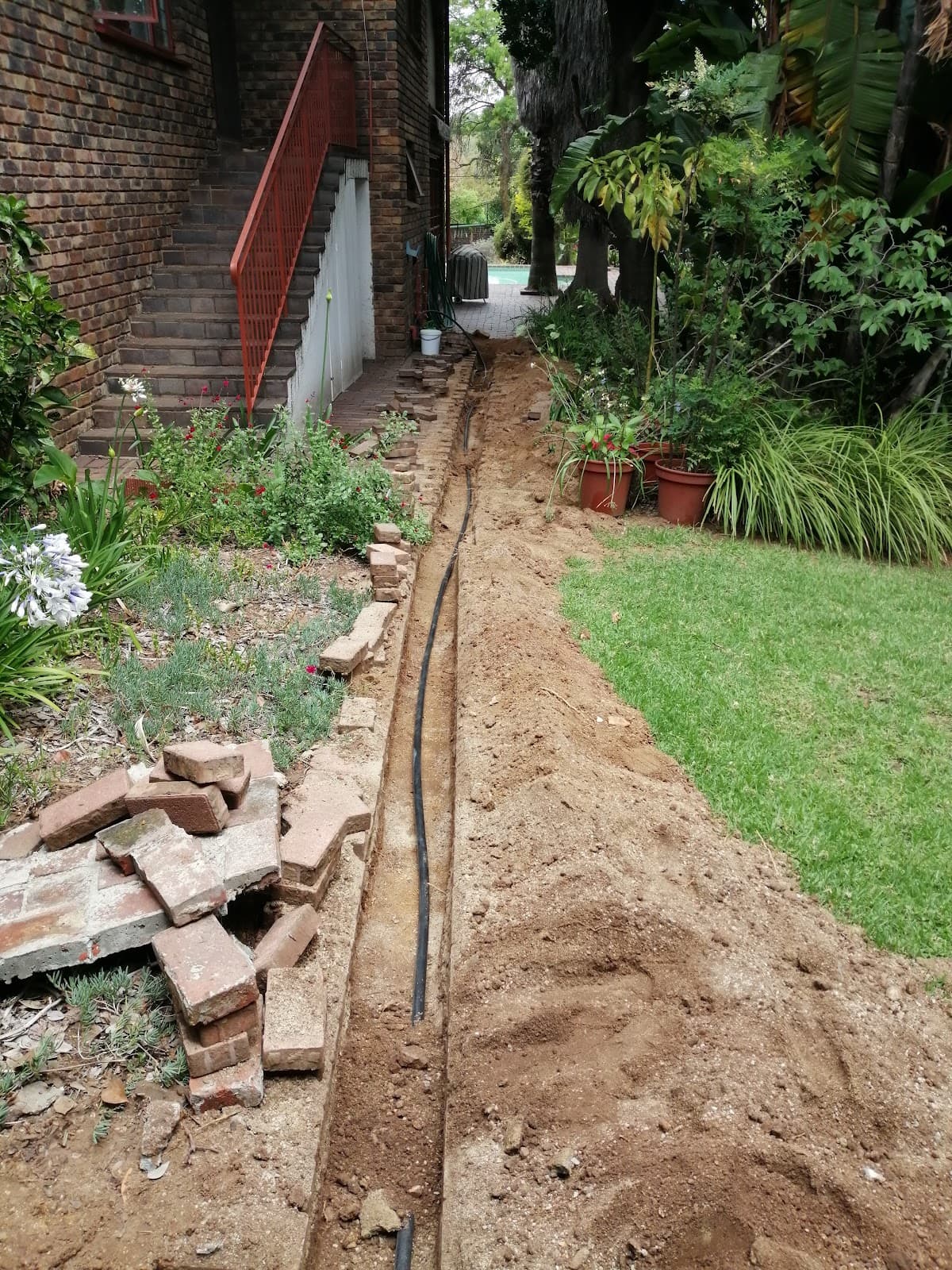
- Walk the garden. Soft ground, a greener lawn strip, or moss in one paving crack during a dry week is a slow leak announcing itself.
For an office or unit:
- Isolate and observe. Close the main stopcock after hours; if the building meter still moves, the leak is downstream of the stopcock — i.e., in the landlord's or the unit's responsibility, and you've just drawn that line.
- Check sub-meters where the building has them — a single sub-meter climbing while others hold points at one tenant's fit-out or geyser.
- Ask about the last outage. City of Johannesburg pressure surges on restoration burst old joints — many Kyalami office leaks I find were born in an outage months earlier. See the City of Johannesburg water and sanitation services page for outage and tariff reference.
What leak detection costs in Kyalami (2026)
2026 market rates compiled from provider-published prices in our Midrand directory, cross-checked against 18 years of my own job history. Planning figures — always get a written quote first.
| Service | Typical 2026 price (Midrand/Kyalami) |
|---|---|
| Acoustic leak detection | From R600/hr |
| Thermal imaging survey | R800 – R2,500 |
| Gas tracer survey (deep or under slab) | R1,500 – R4,000 |
| Pressure test | R500 – R1,200 |
| Emergency call-out (after hours) | R600 – R1,300/hr |
| Leak repair (joint or pipe section) | R1,500 – R4,500 |
| Commercial after-hours work | Hourly rate applies, typically the top of the R400–R900 range |
My rule of thumb: in a commercial unit, the detection fee is the cheapest insurance you will buy all year. A blind open-up of a commercial floor plate — breaking, replacing, reinstating — easily runs R10,000–R30,000 before the leak is found, plus the business hours the tenant loses. I have seen a R4,000 gas-trace job save exactly that scenario, and I would spend it again in a heartbeat. The wider cost picture is in our plumbing costs in Midrand guide.
The methods, matched to the building
Acoustic correlation — the default for mains
Sensors on two exposed points listen for pressurised leak noise under ground or in the ceiling void. 45–90 minutes on a typical job, accurate to about 30 cm, best for supply mains and service risers. Commercial buildings with accessible test points are acoustic-friendly; older offices with sealed risers are less so.
Thermal imaging — under floors and in fit-outs
The infrared camera finds heat movement from running or weeping water — ideal under tile or vinyl commercial flooring, along slab edges, and inside walls. Non-invasive, so nothing is opened and the office keeps working. Hot-water (geyser) leaks are easy; cold supply lines need a temperature delta to show.
Gas tracer — under concrete and in shared risers
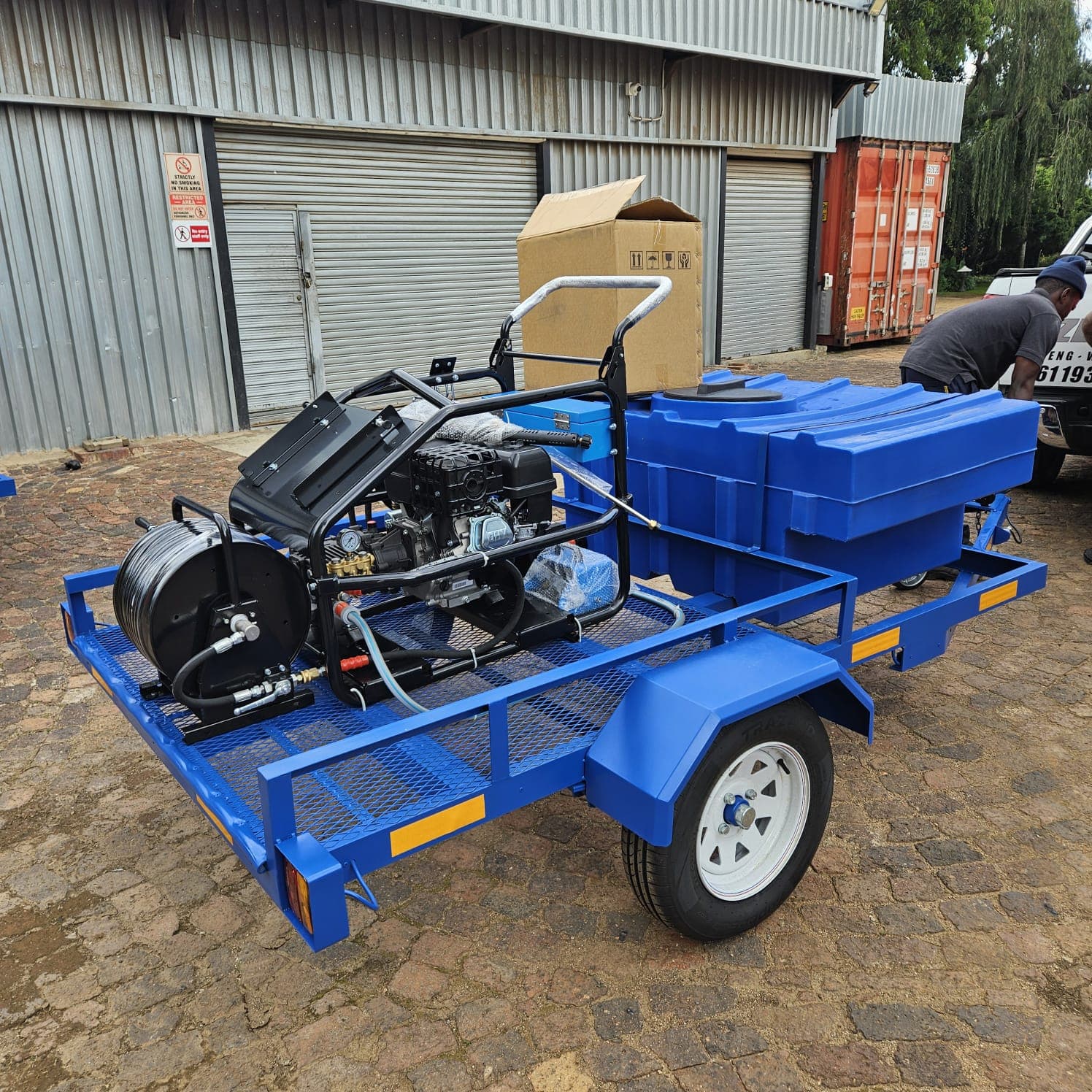
A non-flammable tracer gas pumped into the system, sniffed at the surface or from access points. The most expensive method (R1,500–R4,000), the most reliable under thick commercial concrete slabs or where shared risers serve multiple tenants — and the one that answers the question "which tenant's pipe is it?"
Case study: a quiet loss in a Kyalami Park office
A ground-floor office in Kyalami Park started reporting damp patches under the kitchenette and a water bill the tenant couldn't reconcile. The building's main meter held when the unit stopcock was closed, so the leak was inside the tenant's side. Thermal imaging showed heat tracking along the slab edge under the kitchenette; acoustic correlation confirmed a weeping 22 mm branch feeding the geyser manifold, which had failed at a compression joint. We worked two after-hours evenings: expose, replace the joint and a short branch section, reinstate. The damp patch itself was the last thing to appear — by then the joint had been weeping for most of a quarter, and the tenant's water bill had already moved. Total: R4,600, zero business days lost — and the report went straight to the property manager for the file.
The lesson I give every property manager: a detection report filed before the next inspection or lease transfer is worth more than the repair it documents.
Who offers leak detection in and around Kyalami
Detection is specialist work — not every general plumber carries the kit. In our Midrand plumbers directory, providers listing leak detection with published rates include Magnetic Plumbing Services (from R600/hr), Angel Plumbers, Plumbing Masters SA and Jéan's Plumbing Service; the directory also carries Kyalami-based plumbers — including Plumber Guyz Kyalami, Kyalami Plumbers and Plumbers X Midrand — who know the office-park access rules. For commercial clients I add one more screen: ask when they last worked in an office park and what their access process looks like — induction, after-hours booking, who holds the keys. A provider who has done Kyalami Park or Midrand's business estates repeatedly will describe that process in two sentences; a generalist will tell you it'll be fine. My rule for clients, commercial or domestic: pay the detection fee to whoever credits it against the repair if they fix the leak. For a burst pipe or active flooding, go straight to our emergency plumber guide for Midrand.
Ready to check your property? Request a quote through the directory and you'll have written rates before anyone picks a tool.