

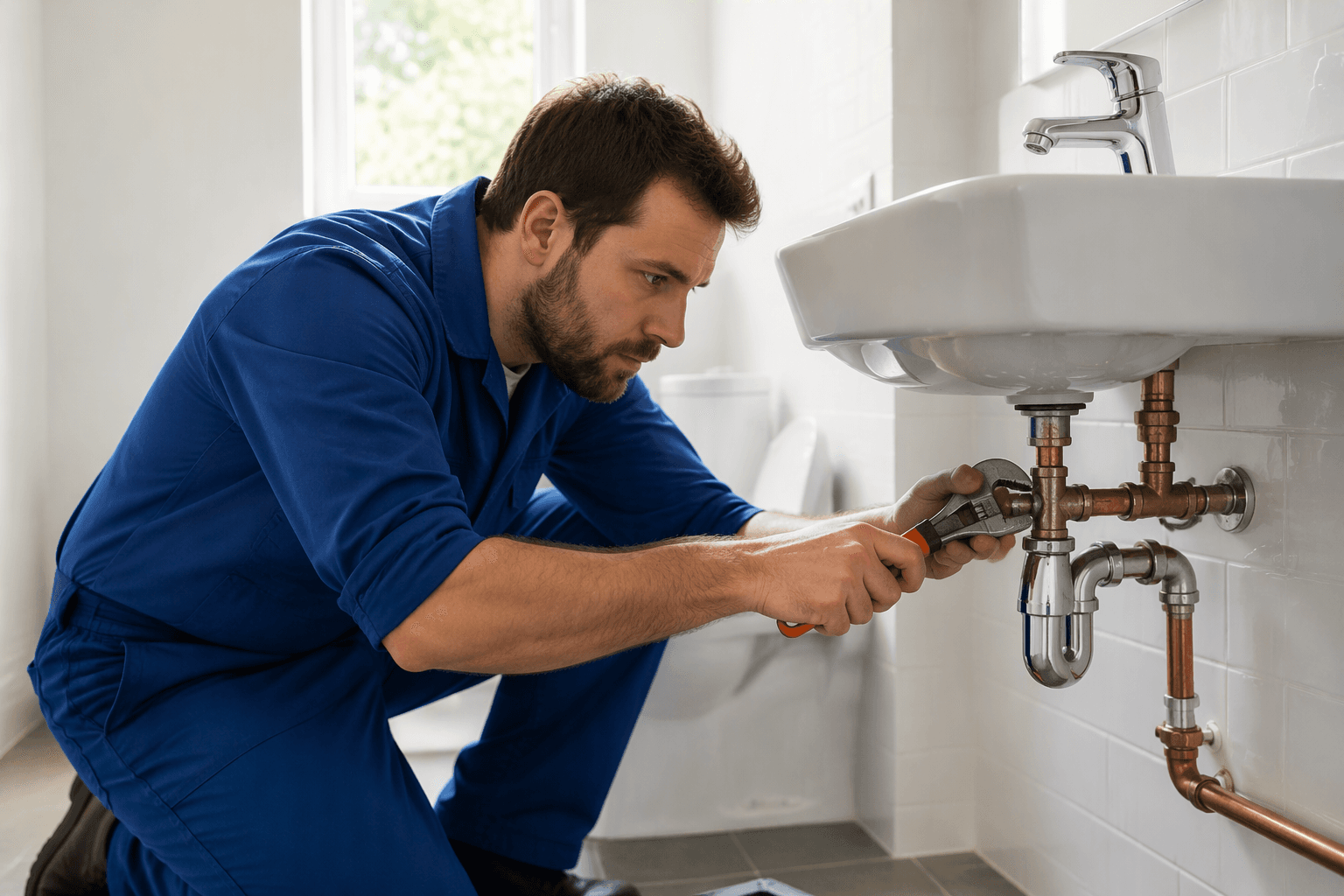
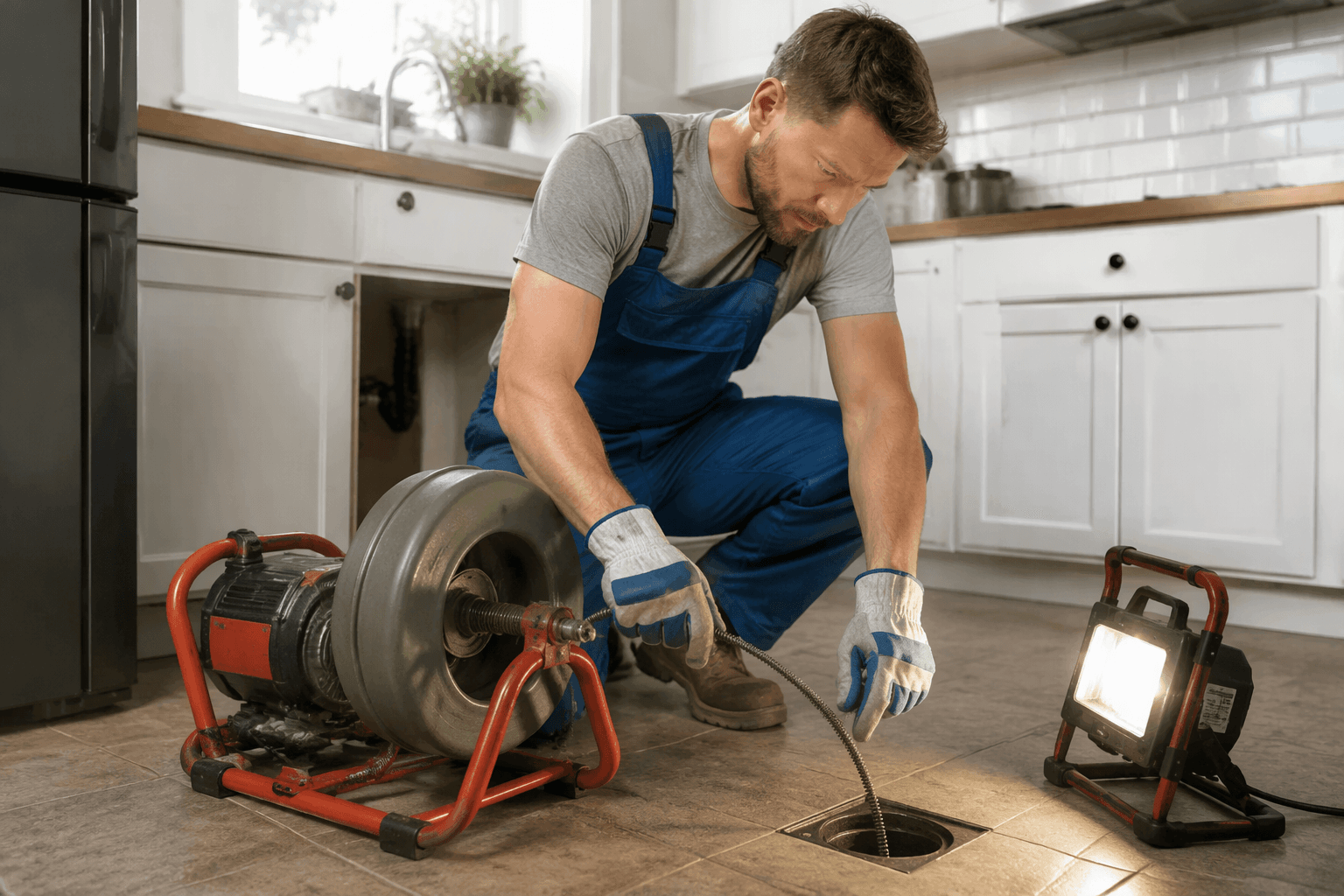
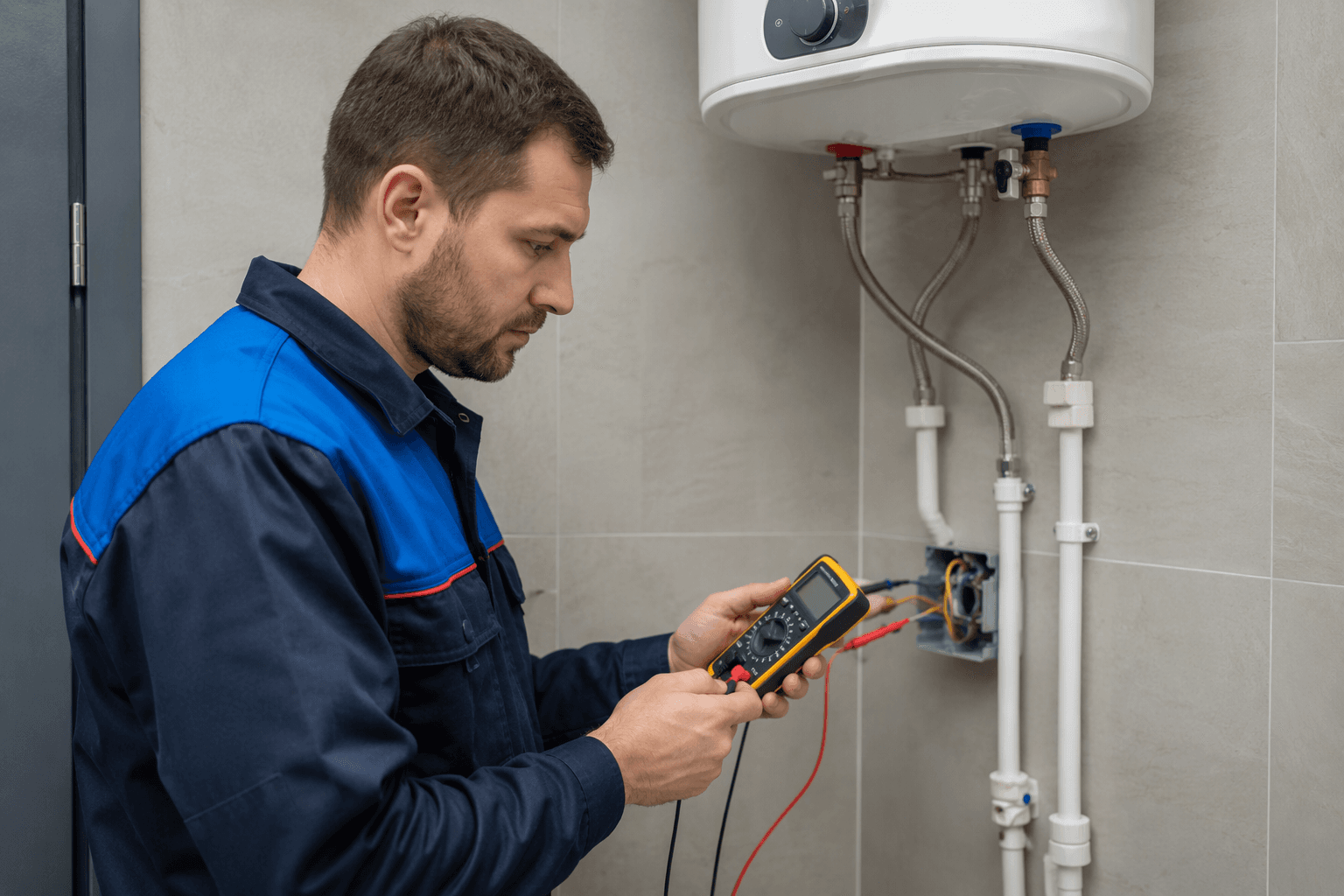



Leak detection in Midrand is the process of finding a hidden water leak — under paving, in a slab, inside a wall — without tearing the place apart. In 2026, detection starts from R600/hr, most domestic leaks are located within two hours, and the three methods you'll be offered are acoustic correlation, thermal imaging and gas tracing. I'm Mike Fleming: 18 years in the plumbing trade, 17 of them in Midrand, 1,670+ jobs done, 21+ estate projects. This guide compares the methods head-to-head, prices them out, shows you the free checks that catch most leaks early, and points you to the providers in Midrand who actually carry the equipment.
Written by Mike Fleming — 18 years in the plumbing trade, 17 of them working in Midrand. 1,670+ jobs completed, 21+ estate projects. Reviewed and approved by the midrandplumbers.co.za admin team · checked against the PIRB register, SANS 10400‑H and City of Johannesburg water regulations on 8 October 2026. Independently operated directory — no affiliation with listed providers.
What leak detection is — and isn't
Leak detection is a diagnostic service: it tells you where water is escaping. It is not the repair, and it is not the same as a pressure test, which only tells you that water is escaping. In practice you'll often get both in one visit — the test to prove the problem, the survey to find it — and the detection report (a marked plan, sometimes with a thermal image) is the document you hand to a repairer or an insurer.
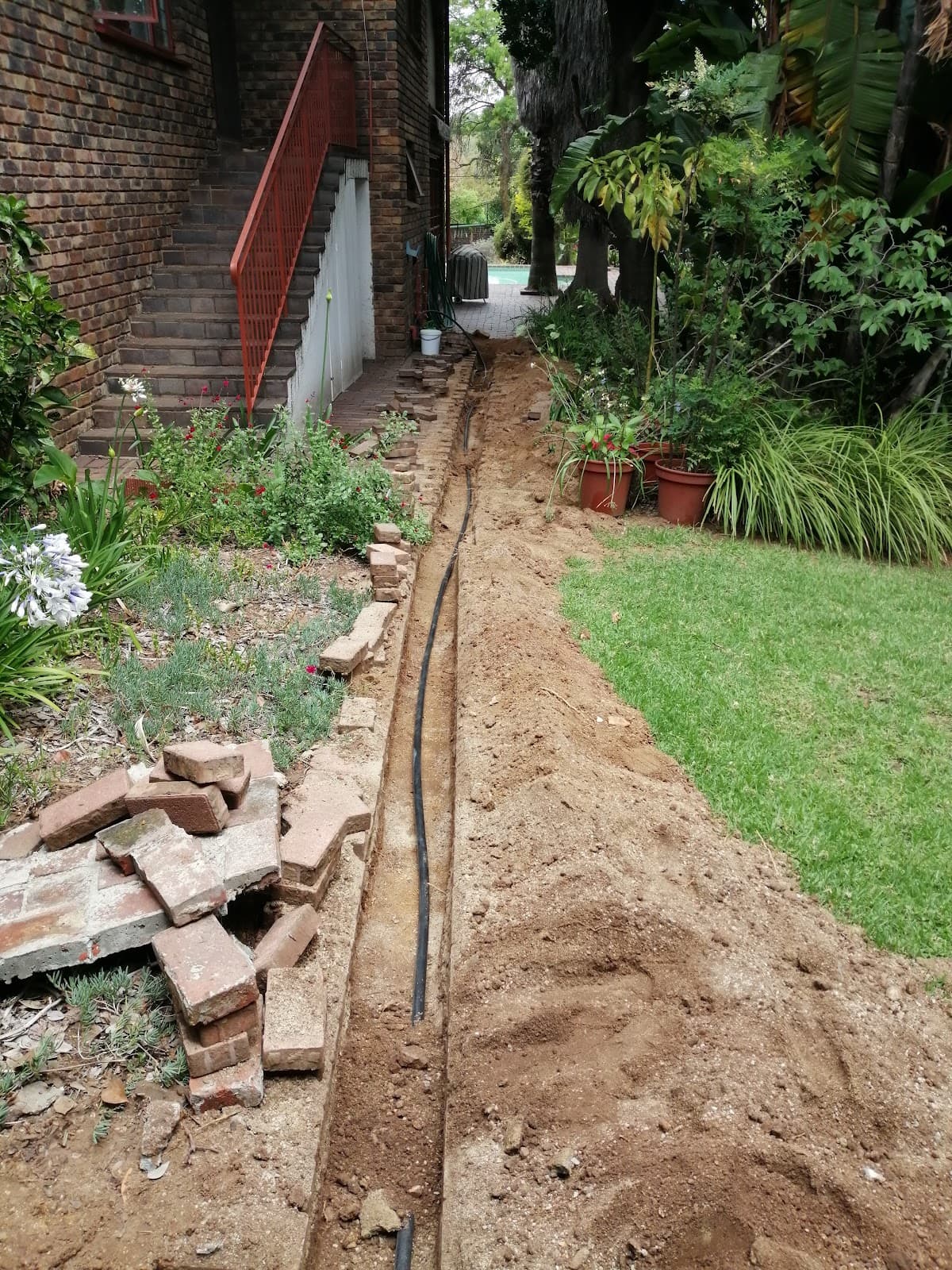
Detection is also not "turn up and dig." Any plumber who offers to just break the paving open and have a look is selling you a gamble: blind excavation in Midrand costs R3,000–R8,000 to reverse, and a wrong dig means doing it again. The whole economics of detection is paying a fraction of that to aim the dig at a 30 cm patch. Equally, detection will not price your repair, it will not guarantee a leak-free system for life, and a report on one branch does not cover a leak on another — scope the visit the same way you'd scope any job.
Acoustic vs thermal vs gas: the honest comparison
| Method | Best for | Typical 2026 cost | Typical time | Limitations |
|---|---|---|---|---|
| Acoustic correlation | Supply mains, pipes under paving | From R600/hr | 45–90 min | Needs pressure; quiet leaks in deep dry soil can be hard |
| Thermal imaging | Under floors/tiles, walls, party walls | R800 – R2,500 | 1–3 hrs | Needs a temperature difference; cold leaks in cool soil can hide |
| Gas tracer | Deep mains, under thick slab, shared estate risers | R1,500 – R4,000 | 2–4 hrs | Most expensive; needs system isolation |
In 18 years I have settled on the same sequence almost every time: acoustic first, thermal to confirm the surface break point, gas tracer only when the first two come up empty. It's the cheapest path that still finds the leak, and it's why most Midrand jobs finish inside two hours. If a provider jumps straight to gas tracing on a first visit for a typical house, ask why — it's the right tool for deep or shared-main problems, but on a simple supply-main leak it means paying four times for a job that acoustics finish in an hour.
What leak detection costs in Midrand (2026)
2026 market rates compiled from provider-published prices in our Midrand directory, cross-checked against 18 years of my own job history. Planning figures — get a written quote before work starts.
| Service | Typical 2026 price (Midrand) |
|---|---|
| Acoustic leak detection | From R600/hr |
| Thermal imaging survey | R800 – R2,500 |
| Gas tracer survey (deep or shared mains) | R1,500 – R4,000 |
| Pressure test | R500 – R1,200 |
| Emergency call-out (after hours) | R600 – R1,300/hr |
| Leak repair (joint or pipe section) | R1,500 – R4,500 |
The repair line is where the math matters: a R600–R1,500 detection fee protecting a R15,000 slab and paving job is the best risk transfer in the trade. The full cost landscape for other plumbing work is in our plumbing costs in Midrand guide. One caveat on the numbers: the "from" prices are entry rates for a straightforward first survey, and the rate resets if the job escalates to gas tracing. That's normal — but it's exactly the sentence you want in the written quote before you book, not a discovery mid-job.
The free checks that catch most leaks early
- The night meter test. Close every tap, geyser and irrigation valve; read the meter at 22:00 and 06:00 before anything runs. Movement means flow you can't account for.
- The cistern dye test. Food colouring in the cistern for 15 minutes; colour in the pan without flushing is a leaking flapper — the most common "leak" in Midrand, and the cheapest fix there is.
- Watch usage on your City of Johannesburg account. A step-change in consumption with unchanged habits is a slow leak's signature. The City of Johannesburg water and sanitation services page explains metering and tariffs.
- Walk the property in a dry week. Soft ground, a greener lawn strip, moss in one crack — the soil is telling you where the water is going.
- Note your baseline. Once a month, jot down the meter reading with the household in its normal rhythm. Your "usual" number is what makes a leak obvious — without a baseline, a 30% jump feels like normal variation.
When it's serious: the warning signs I take personally
Three signs mean call detection the same day, not next week. First: the meter moving with everything closed — that's active, measurable loss, and in Midrand's sandy soil every day of loss is a void forming under whatever sits above the pipe. Second: a sudden soft spot, sagging paving or a new crack in a slab — the leak has already started moving ground, and structural damage is the next bill, in five figures. Third: low pressure in one tap but not others — that's a branch line failing, and branch lines fail fast once they start. Fourth: a geyser that runs constantly to hold temperature — that's a manifold or line losing hot water quietly, usually under the kitchen, and it's burning your electricity bill while it damages the floor above. It's the most under-diagnosed leak in Midrand homes, because nobody thinks of the geyser when they think "leak." If water is actively flooding, skip detection entirely and use our emergency plumber guide for Midrand.
Where to get leak detection in Midrand
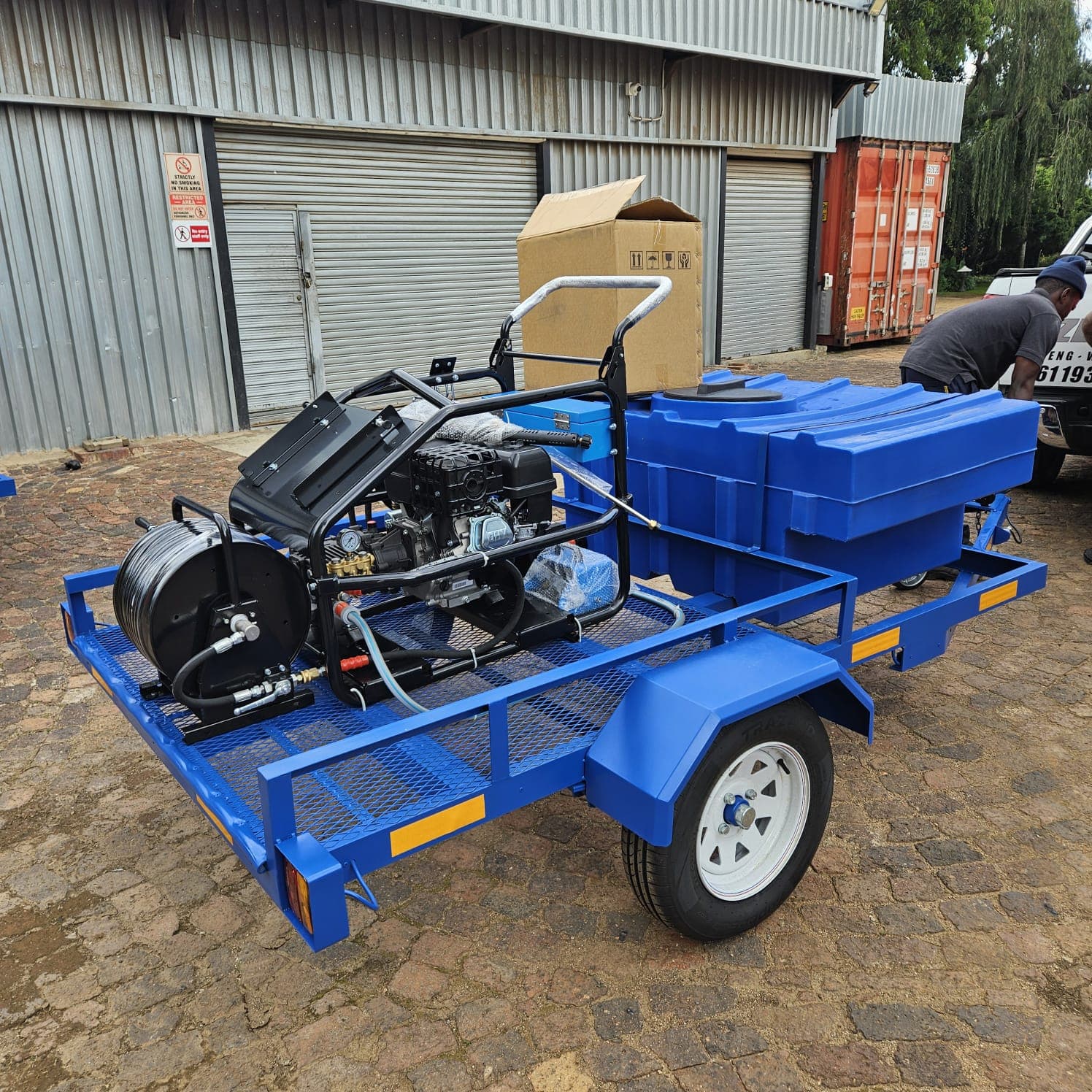
Detection is specialist work, and not every general plumber carries the kit. In our Midrand plumbers directory, providers listing leak detection with published rates include Magnetic Plumbing Services (Halfway House, from R600/hr), Angel Plumbers, Plumbing Masters SA, Jéan's Plumbing Service and ON TAP Bathroom & Plumbing. My rule for every client: pay the detection fee to whoever will credit it against the repair if they fix the leak — standard practice here, and it removes the "we'll look and then tell you" risk.
Whichever provider you choose, the same rule applies: the detection fee is a real service, so it's a real price — and it should be one you see in writing first.
For suburb-specific detail — local failure patterns, estate boundaries, office-park access — the guides below go deeper than this one:
- Water leak detection in Blue Hills — villas, forecourt mains, a 1,900-litre overnight case study
- Water leak detection in Midlands Estate — townhouses, shared walls, owner vs body corporate
- Water leak detection in Kyalami — homes and office parks, commercial documentation
The three mistakes I see Midrand homeowners make
In 1,670+ jobs, three errors account for most of the overpaying I've watched:
- Accepting "we'll have a look and then tell you." Look is not a price. A written quote — detection fee, hourly rate, what the repair will roughly run — before any tool comes out.
- Not asking for the detection fee to be credited against the repair. If a provider won't credit it, that's information: you're paying twice for the same visit.
- Waiting for the leak to "make itself obvious." In this soil, the day it's obvious is the day your paving or slab is involved, and the job has just become ten times more expensive. The meter test takes ten minutes — do it every few months. None of these three mistakes costs money, and every one is answered by a ten-minute phone call — but each has saved a Midrand homeowner a five-figure surprise.
Ready to check your property? Request a quote through the directory and you'll have written rates before anyone picks a tool.