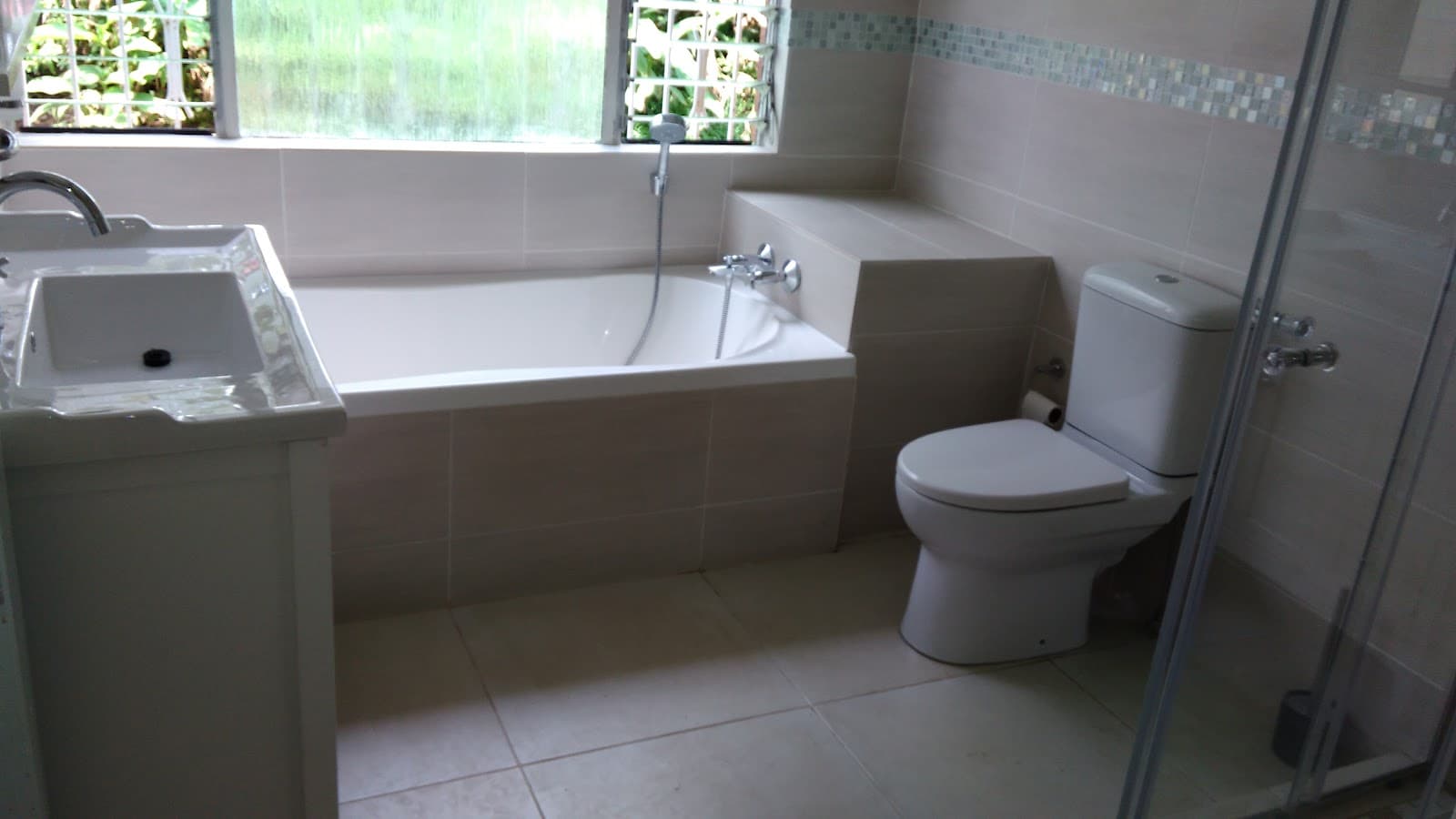
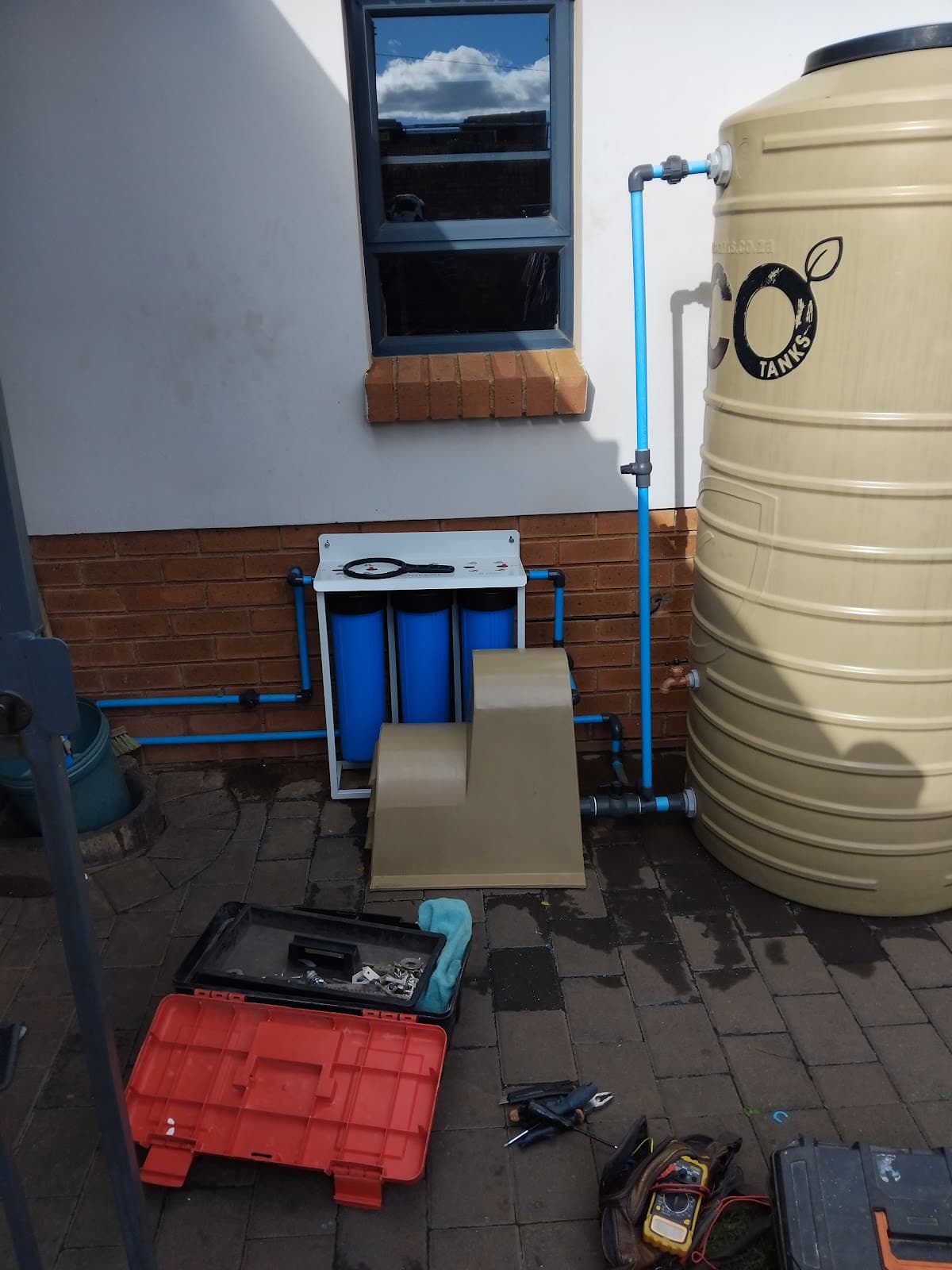
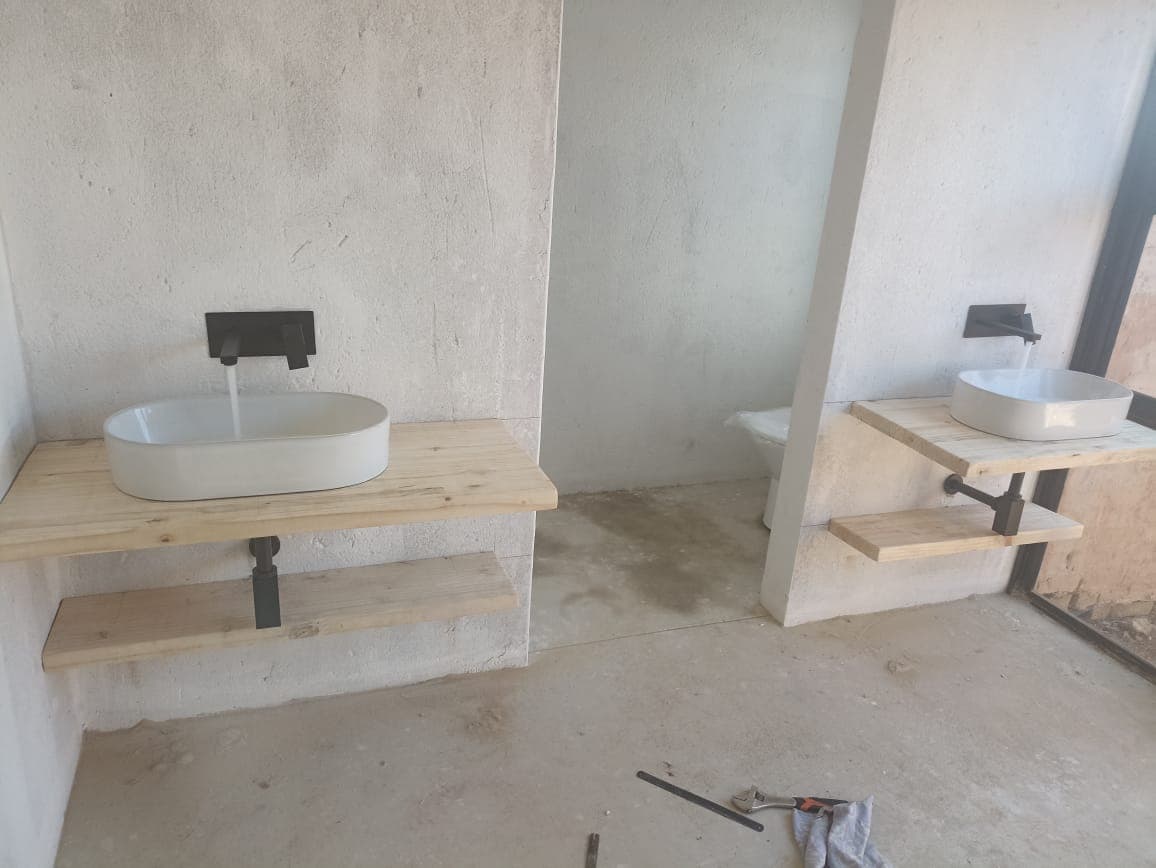
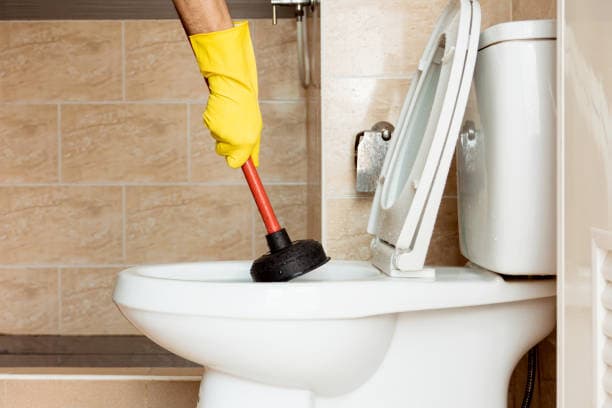






"Handyman Midrand" is one of those searches where the wrong answer costs real money, because the line between a handyman's job and a plumber's job is not where most people think it is. I'm Mike Fleming — 18 years in the plumbing trade, 17 in Midrand, 1,670+ jobs — and I've been called in to fix both the right calls and the wrong ones. The short version: the line is drawn by SANS 10400‑H and the PIRB, not by who's friendlier or cheaper. Here's the exact map, with the 2026 prices on both sides of the line, and who on each side to use in Midrand.
Written by Mike Fleming — 18 years in the plumbing trade, 17 of them working in Midrand. 1,670+ jobs completed, 21+ estate projects. Reviewed and approved by the midrandplumbers.co.za admin team · checked against the PIRB register, SANS 10400‑H and City of Johannesburg water regulations on 8 October 2026. Independently operated directory — no affiliation with listed providers.
Where the line is drawn: the rule that matters
The national plumbing code, SANS 10400‑H, defines what plumbing work is — and work on the water supply, the geyser, the drainage and sewer connections, and the pressure/venting equipment is plumbing work, full stop. In South Africa that category of work on your property should be done or certified by someone on the PIRB register, because it's the work your insurer, your body corporate and the City of Johannesburg will look at when something goes wrong.
Everything else around water — the bits that touch plumbing but don't are plumbing — is where the handyman lives. The practical rule I give every client: if the job connects to the supply, the geyser, or the waste stack, it's on the plumber's side of the line. If it's a fixture, a finish, or a minor mechanical fix around them, it's the handyman's world. That one sentence settles about 90% of the calls I get.
The two sides of the line, job by job
Handyman territory (fix it yourself or call the handyman):
- A dripping tap washer or an aerator that's clogged — the tap works, it just hisses or dribbles
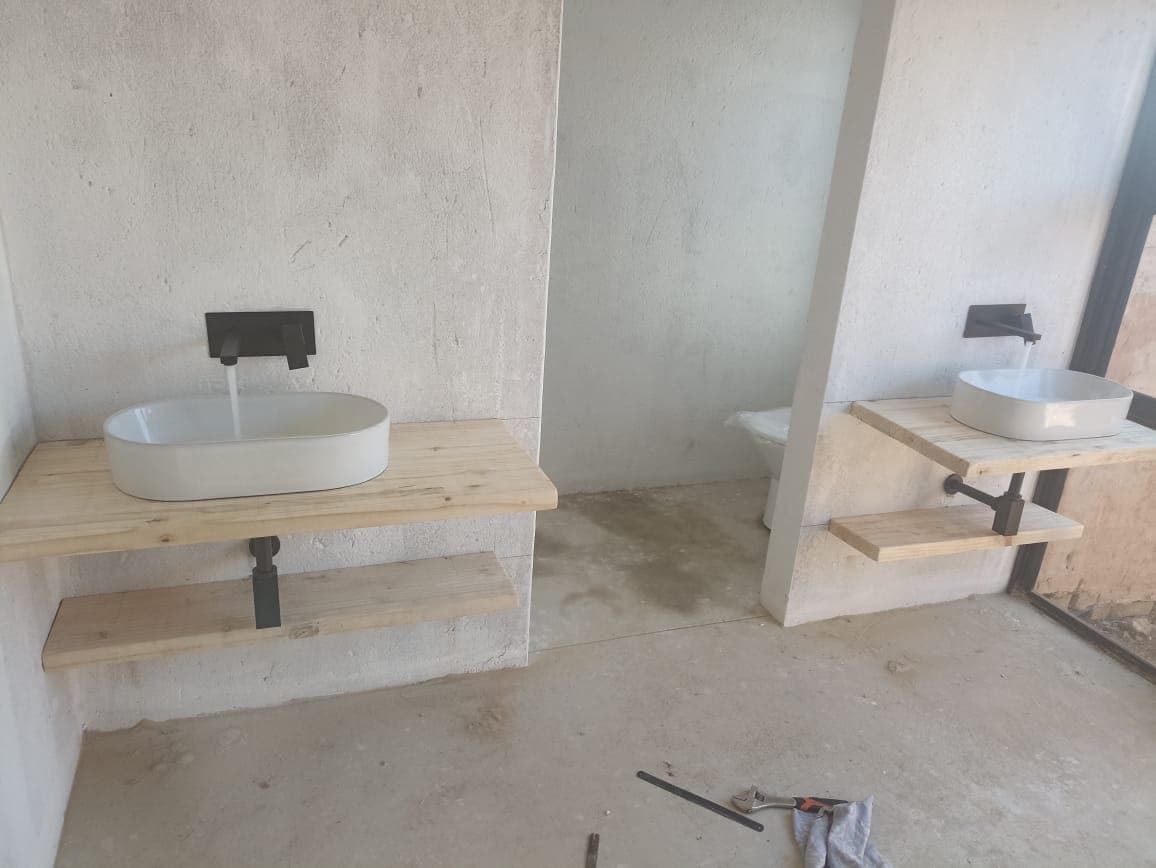
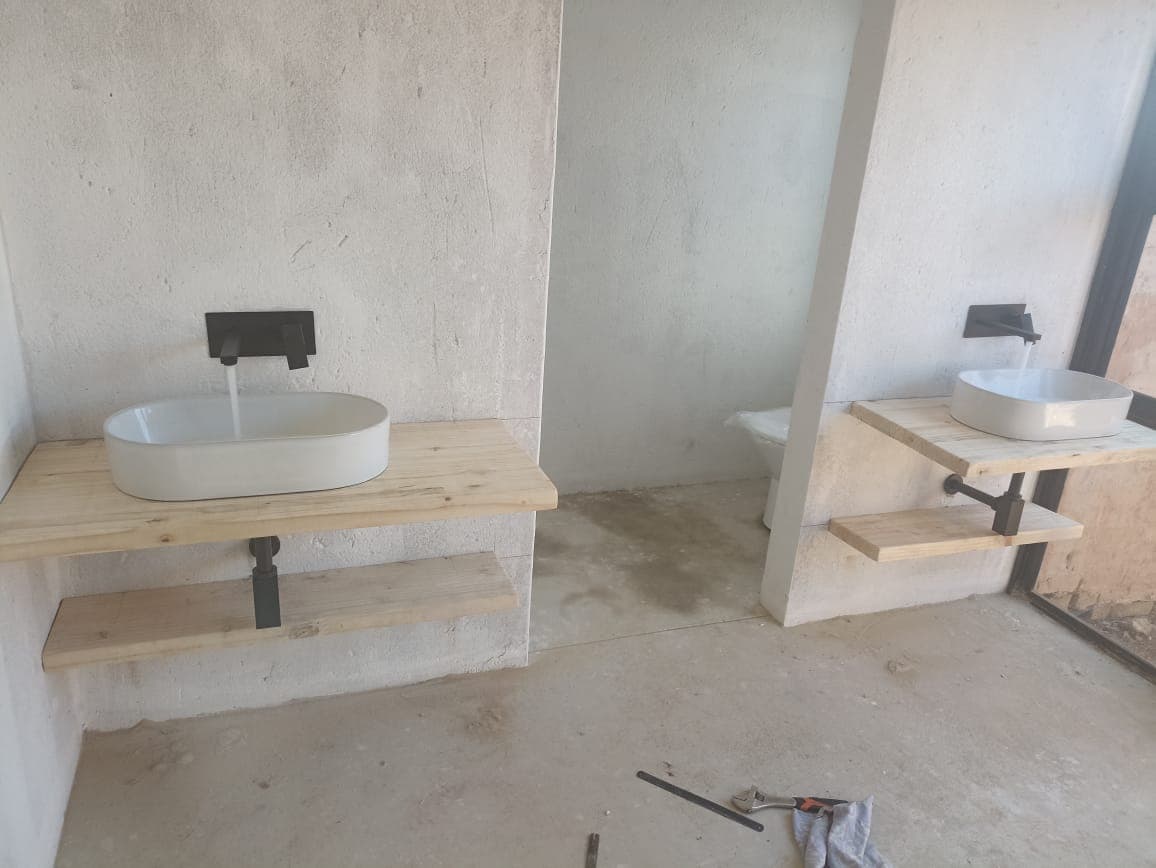
- Mounting or re-hanging a basin, a towel rail, a shower screen, a cabinet
- A toilet seat, hinge or lid that needs replacing
- Painting over a water stain, sealing around a tap or basin, grout work
- Swapping a tap cartridge where the isolation valve is healthy and the tap is simply tired
- General garden hose bibs, outdoor tap covers, minor fixture jobs
Plumber territory (PIRB side of the line — don't DIY it):
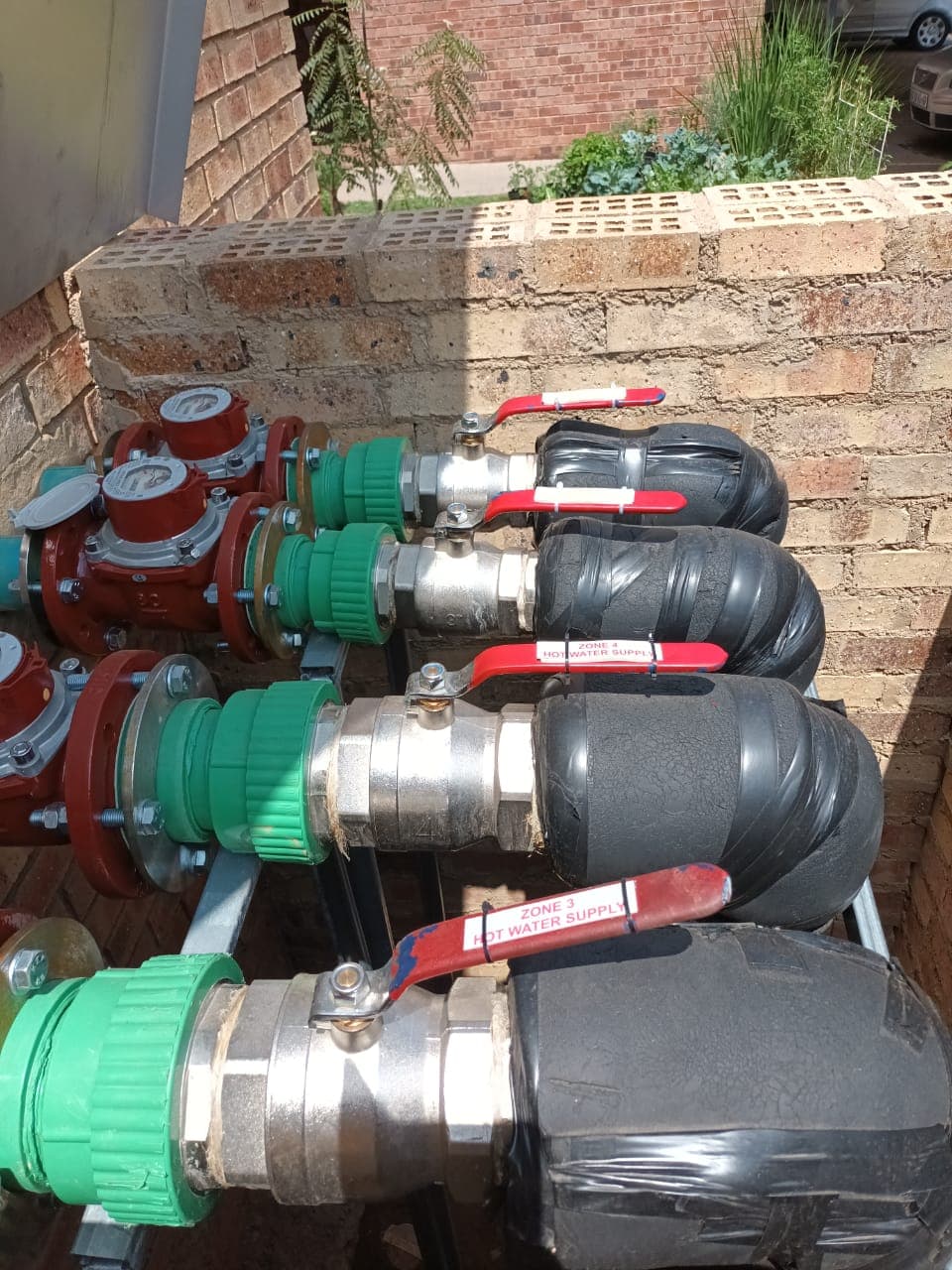
- Anything on the supply connection — the pipe from the meter, the main stopcock, new tap-off points
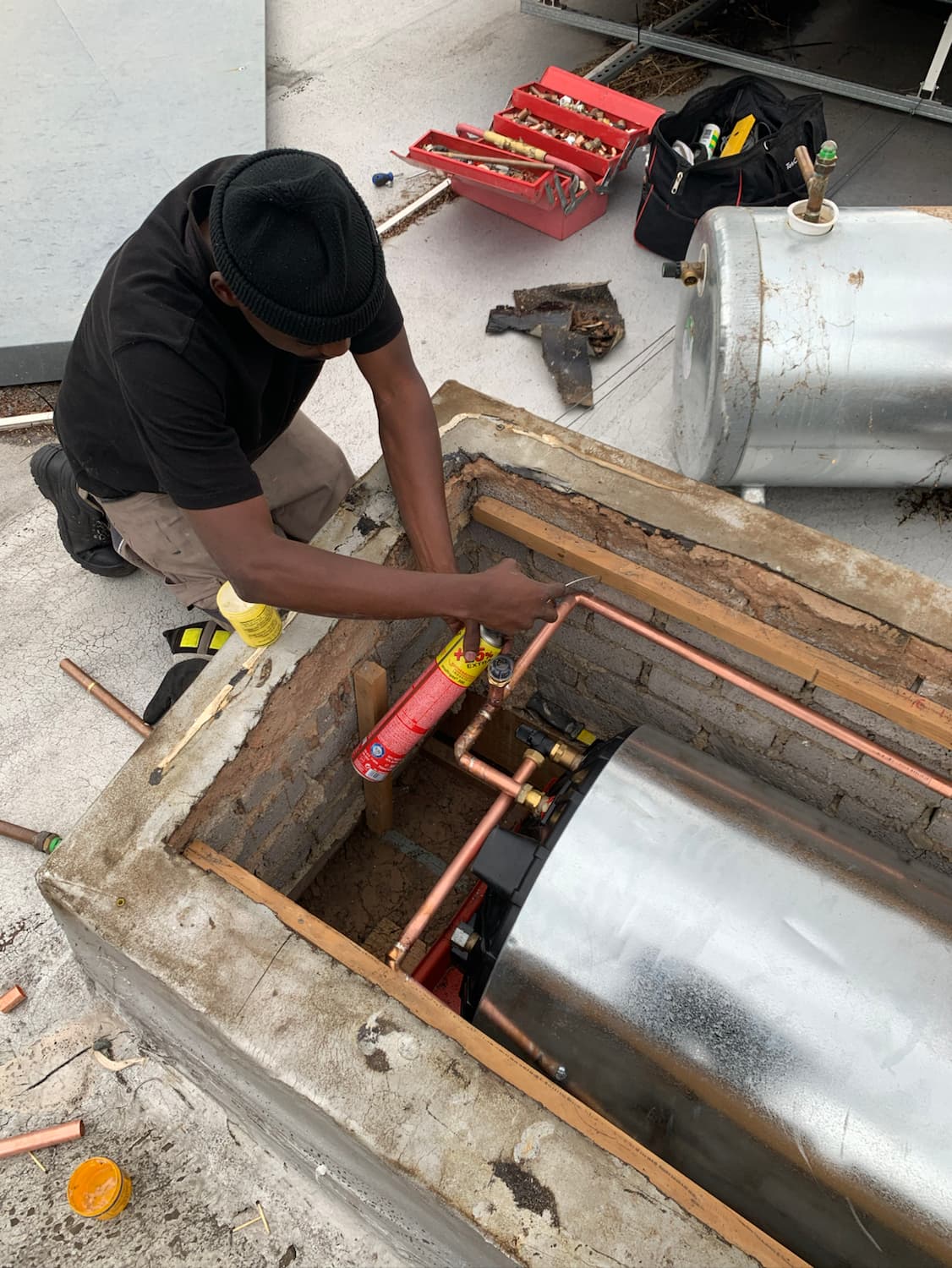
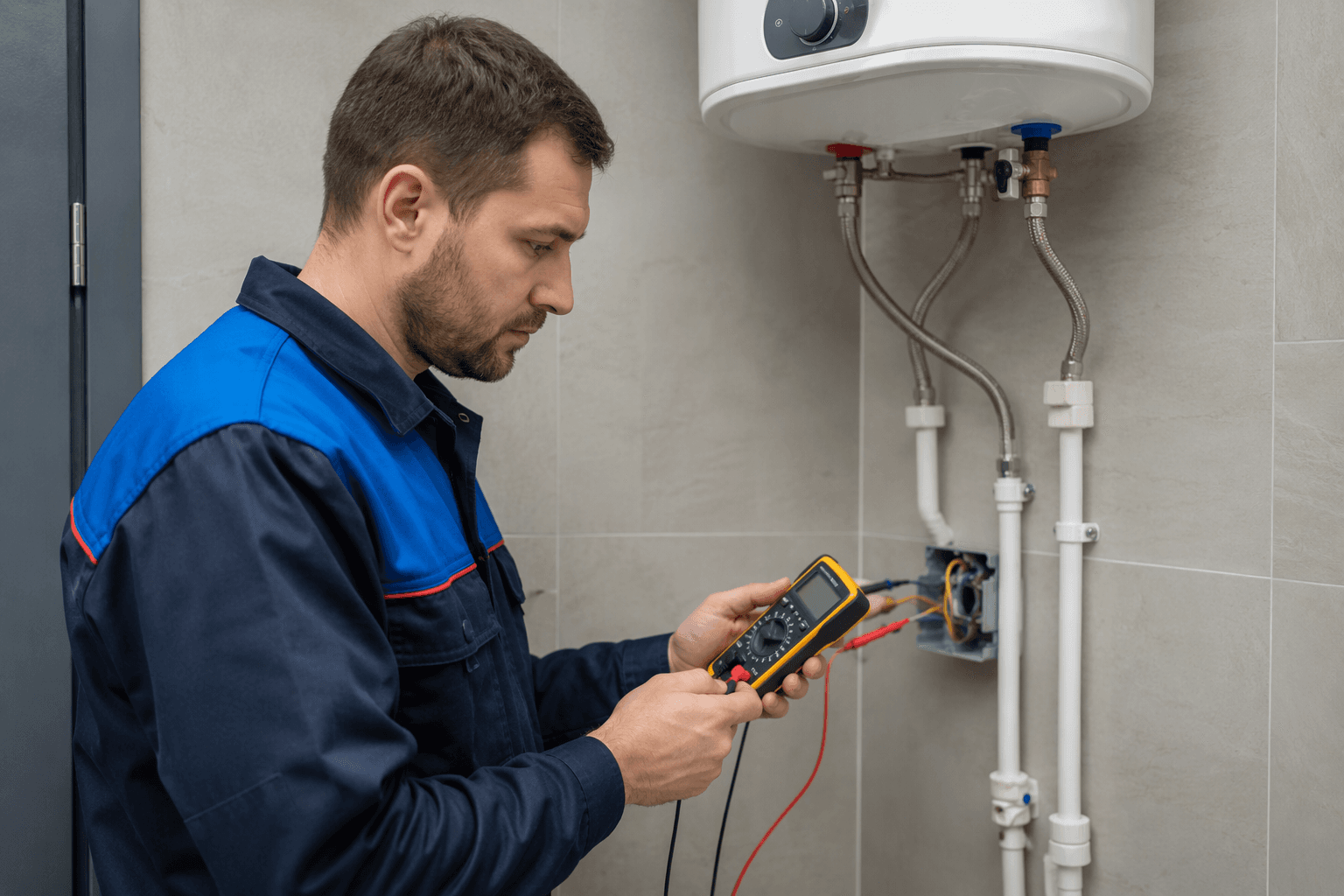
- The geyser — element, thermostat, manifold, relief valve, installation, replacement (electric or solar)
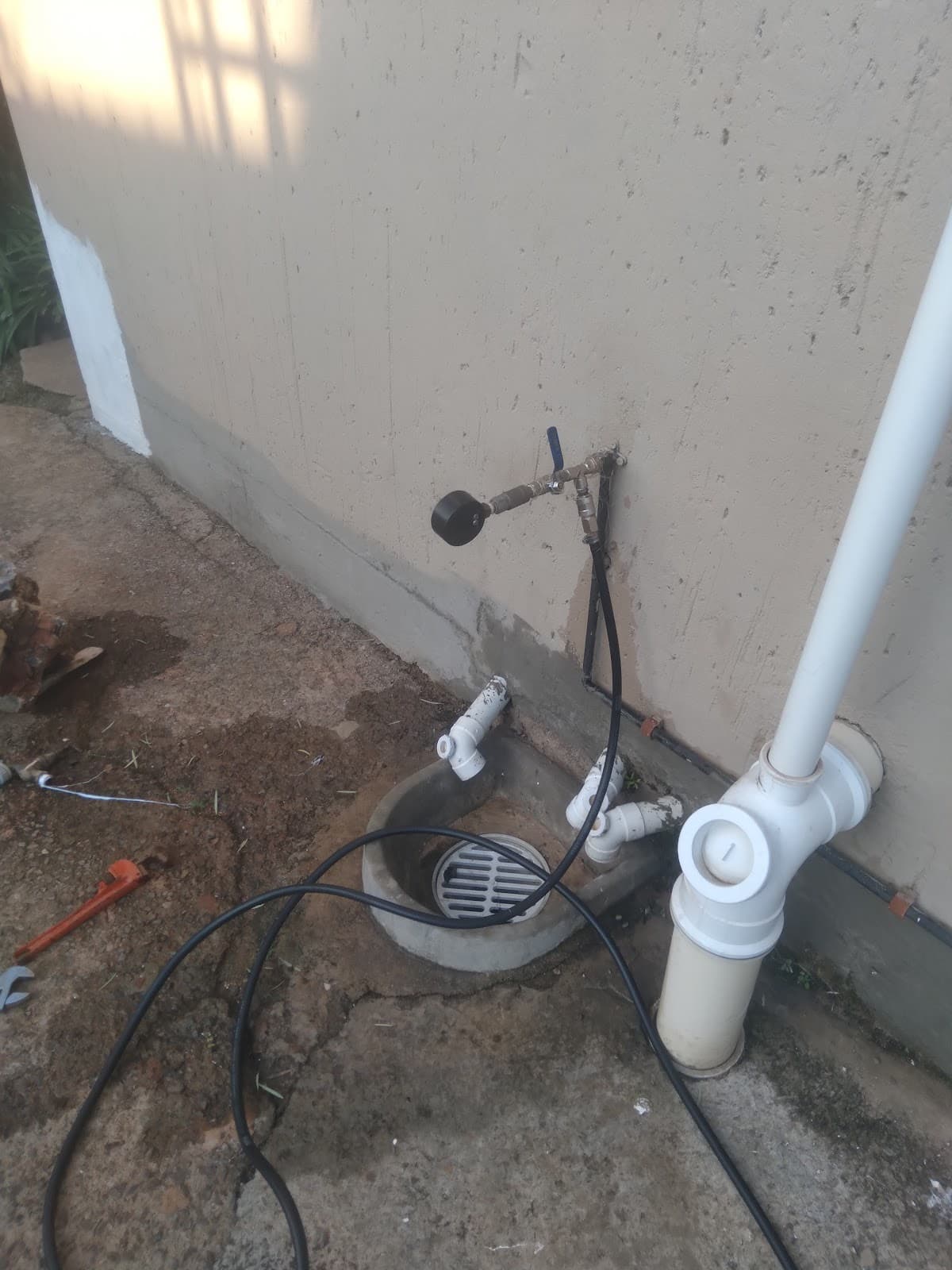
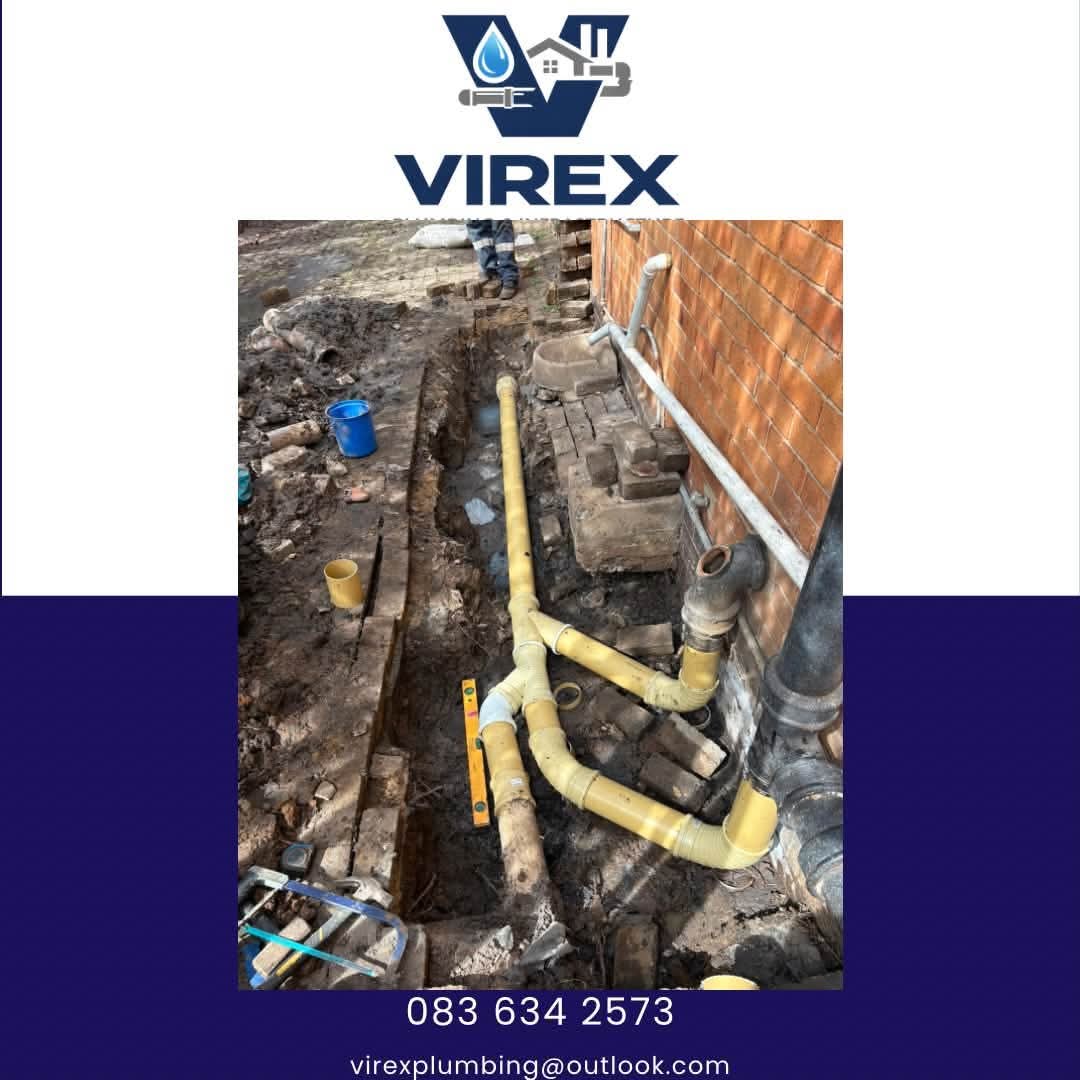
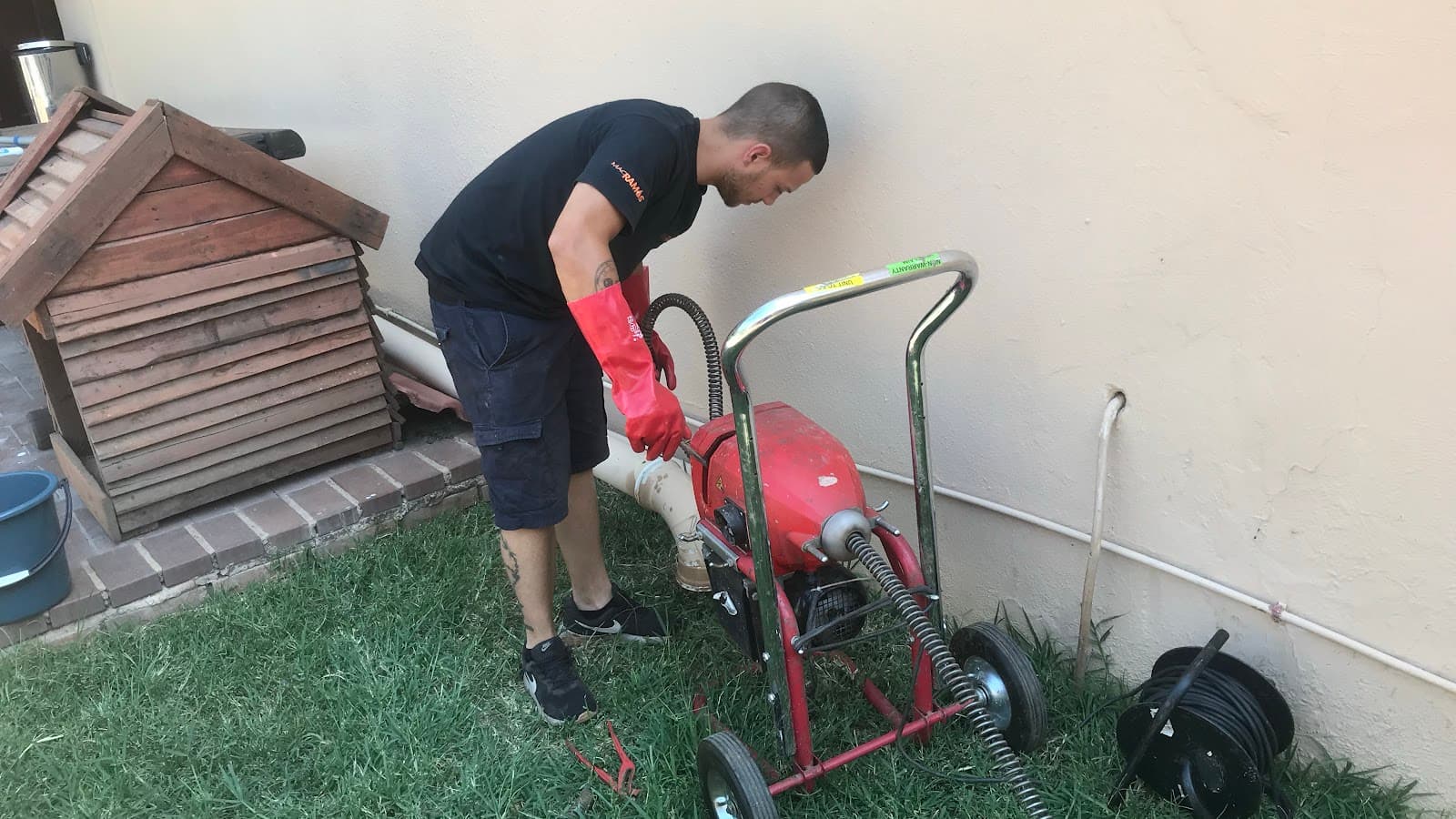
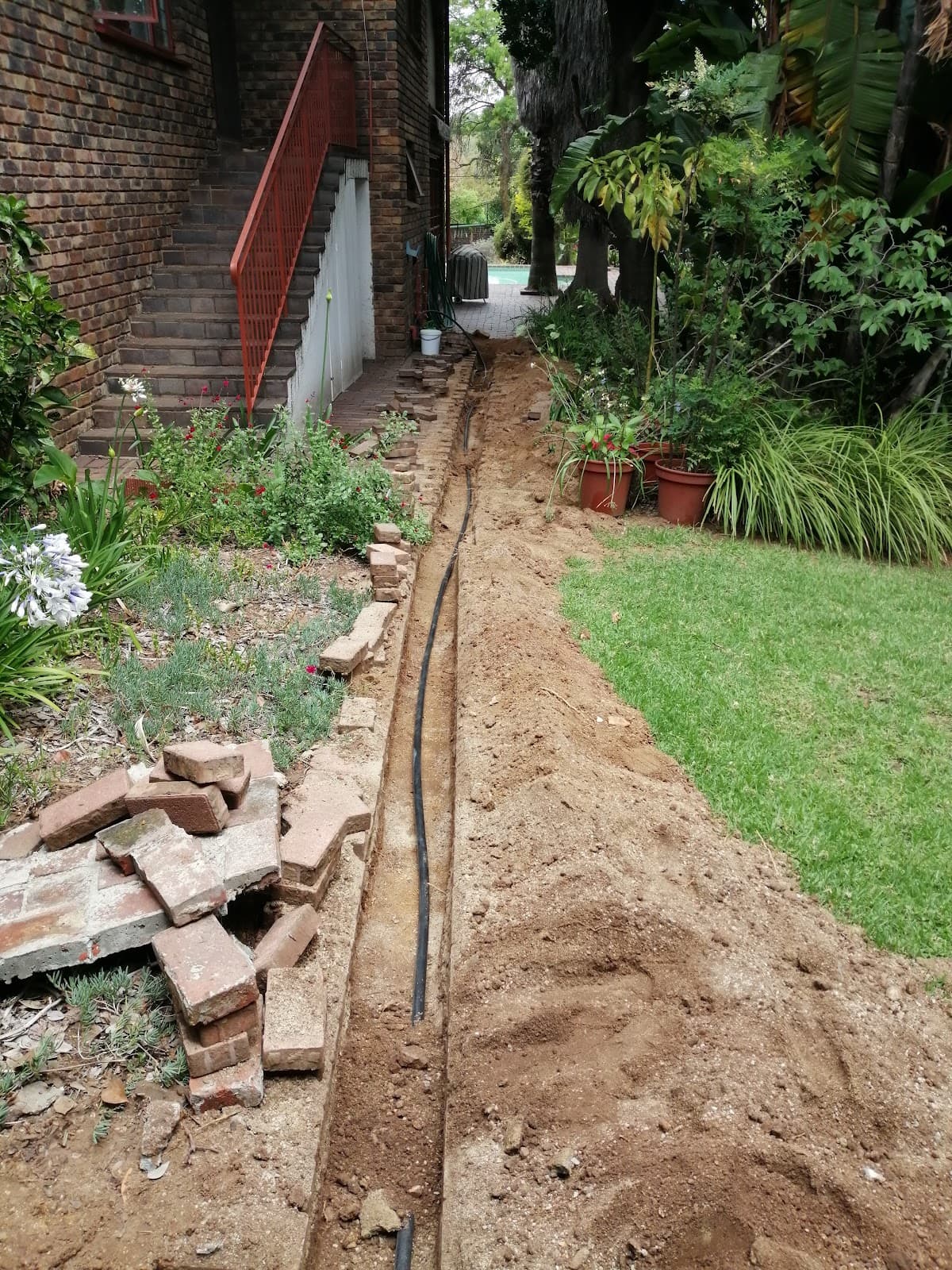
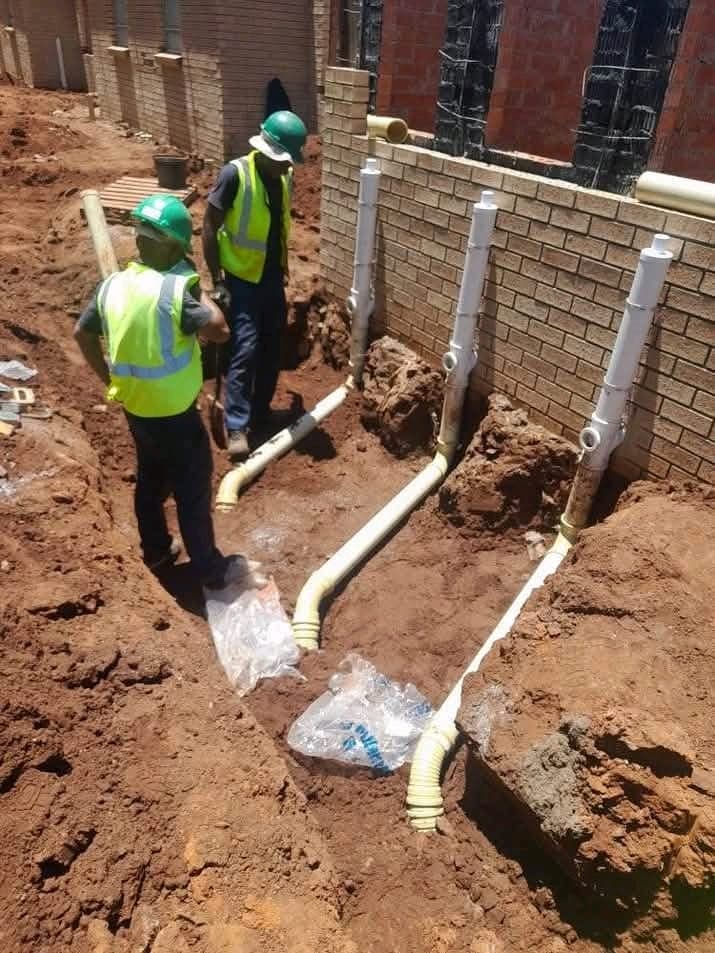
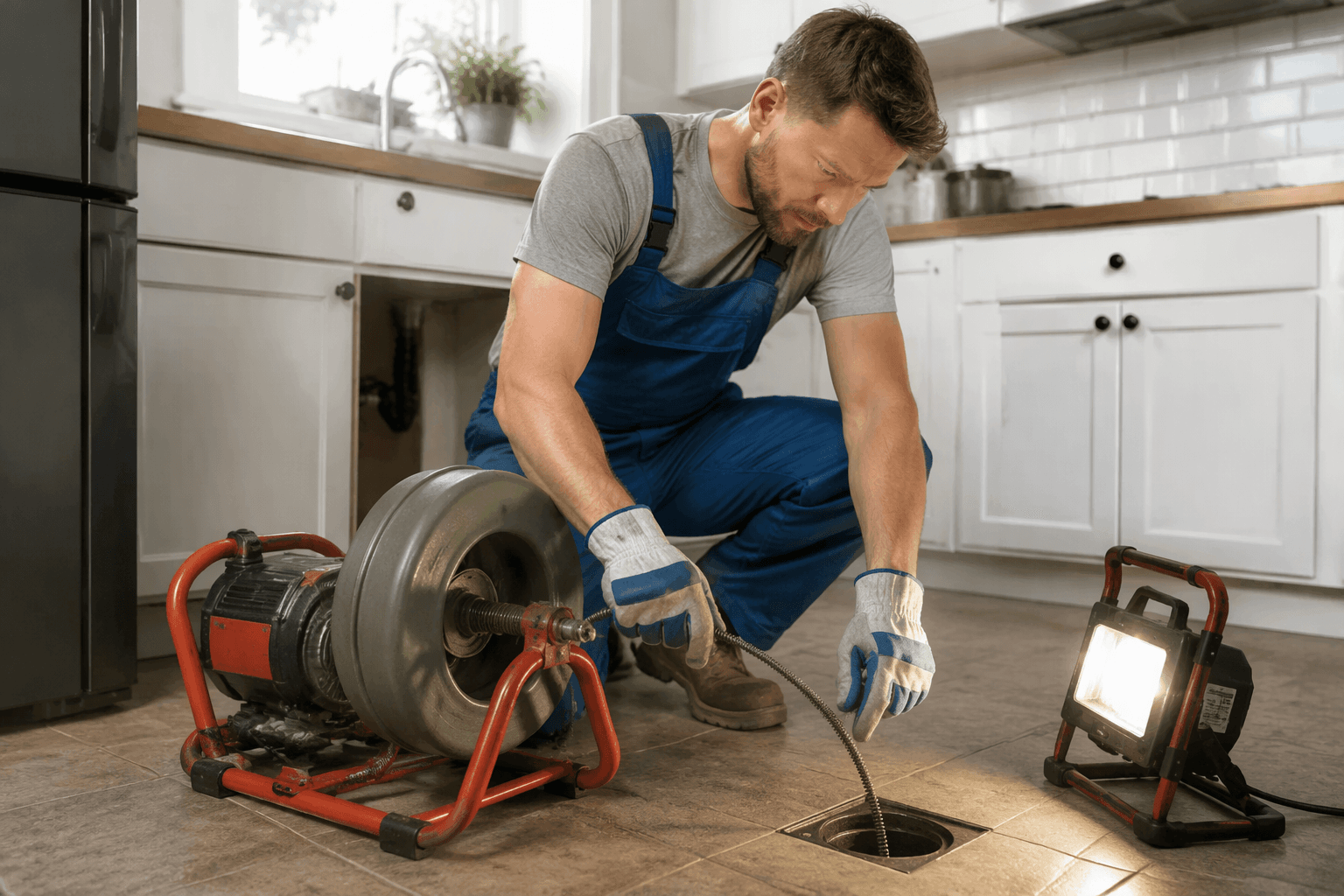
- Drainage and sewer — blocked mains, broken waste pipes, any work below floor level on the waste side
- Leak detection and repair of hidden leaks — the diagnostics and the pipe work
- Pressure vessels, backflow devices, and any work your insurer will ask about
The overlap that trips people up: a toilet that runs all night is a flapper — technically a handyman-sized part — but the moment the cistern's fill valve or the cistern-to-bowl seal is involved, you're into plumbing components on the supply side. When in doubt on an overlap, the cost of asking a plumber ten minutes beats the cost of a botched flapper job that's now a running meter all month.
What each side costs in Midrand (2026)
The two jobs price very differently, and confusing them is how people overpay:
| Task | Side of the line | Typical 2026 price |
|---|---|---|
| Tap washer / aerator / minor drip | Handyman | R300 – R800 |
| Toilet flapper / cistern kit | Handyman–plumber overlap | R400 – R1,200 |
| Basin, rail or screen mounting | Handyman | R500 – R1,500 |
| Paint/seal/grout around fixtures | Handyman | R500 – R2,000 (by area) |
| Tap cartridge swap (healthy isolation) | Overlap — ask a plumber | R800 – R2,000 |
| Any supply-connection work | Plumber (PIRB) | Quoted, from R500–R1,500 simple |
| Geyser element / thermostat | Plumber (PIRB) | R3,500 – R4,500 |
| Geyser replacement (unit + install) | Plumber (PIRB) | R5,000 – R15,000 |
| Blocked / broken drain | Plumber (PIRB) | R500 – R1,500+ |
| Hidden-leak detection + repair | Plumber (PIRB) | From R600/hr + repair |
The pattern: the handyman side is cheap, fixed and quick; the plumber side is where the registration, the parts spec and the warranty actually matter. The full rate map is in our plumbing costs in Midrand guide.
The risk that makes the line worth respecting
Here's the part most people skip until it costs them: a job done on the wrong side of the line can void the protection you thought you had. A geyser manifold "quickly done" by a well-meaning handyman that later fails and damages the floor below is an insurance conversation where the question is "was that work done to SANS 10400‑H by a registered plumber?" and the answer is no. On a supply connection, it's also a compliance conversation with the City. The hourly difference between the two sides of the line is small; the difference in what happens when it fails is not. I've watched a R2,000 "small fix" become a R25,000 ceiling, floor and insurance-deductible situation because the line was crossed the wrong way. That's the whole article in one number. It also compounds quietly: an unregistered job done badly this year is still the job your insurer — or your new owner's insurer — asks about years later. On sales and body corporate handovers, the question "was the plumbing done to code?" comes up more often than people expect, and a PIRB-certified record is the answer that closes it.
Who to use on each side, in Midrand
The nice thing about the Midrand plumbers directory is that it lists businesses that work both sides of the line — and that's usually the smartest single call for a household, because one relationship covers the fixture and the supply. Two directory providers are explicitly positioned as plumbing-and-handyman services: C & M Plumbing & Handyman and Leecom Plumbing and Handymen (Noordwyk, 24/7-marked, with published rates on the wet-area and irrigation side). For pure plumbing work, the full provider list with published 2026 rates is the same directory, filtered by your job's service tag.
My recommendation, used on my own house: keep one plumbing-and-handyman relationship for the whole property. The handyman-side jobs (the drips, the mounts, the seals) go to them at the cheap fixed rates; the plumber-side jobs (the geyser, the supply, the drains) go to the same people with the registration and the warranty. One number, one standard, one set of invoices — and the line between the two sides stops being your problem, because the person holding the tools is the person who knows where it is.
When in doubt, ask a plumber ten minutes. The line is drawn by the code, not by the quote — and the ten-minute call is the cheapest way to stand on the right side of it.