








Quick answer: A blocked drain plumber in Midrand typically charges R500-R1,500 depending on severity and method: rodding at the bottom, high-pressure jetting in the middle, CCTV camera inspection at the top. Recurring blockages - often tree root incursion in the older suburbs - are worth the camera. Drain clearing is minor work: no permit needed.
A sink that gurgles, a gully that floods when it rains - blocked drains are one of Midrand's most common call-outs, and one of the most mispriced: the same word hides a R500 rodding and a R15,000 section replacement behind it. This is the decision map - what is actually blocking, which of the three methods your job needs, what each costs, and the line between your pipe and the municipality's.
What's actually blocking your drain
- Grease and hair - the usual kitchen and bathroom suspects; the only blockage type that is genuinely "just a blockage".
- Tree roots - Midrand's mature trees grow into the joints and hairline cracks of clay and concrete drains, toward the water and the warmth. The signature is the recurring blockage: cleared, then back in six weeks, then in three.
- Collapsed or silted pipe - degraded lines in the older areas that will not respond to pressure - they respond to replacement or relining, and they need the camera before anyone digs or jets.
- Stormwater confusion - a drain that only acts up when it rains may be a stormwater capacity or routing problem, not a sewer blockage - the fix, and the owner of the pipe, are different.
Only the first cause is a one-off; the other three are structural. That is why a professional asks how many times it has blocked before quoting - the answer changes the method. "Blocked drain" is also a location problem: from the trap under the sink, through the branch line and (in townhouses) the soil stack, to the inspection chamber and the main line running to the property line - and the camera inspection exists to place your fault on that map with a metre count, which is exactly why it sits at the top of the price range.
The symptoms, and what they point to
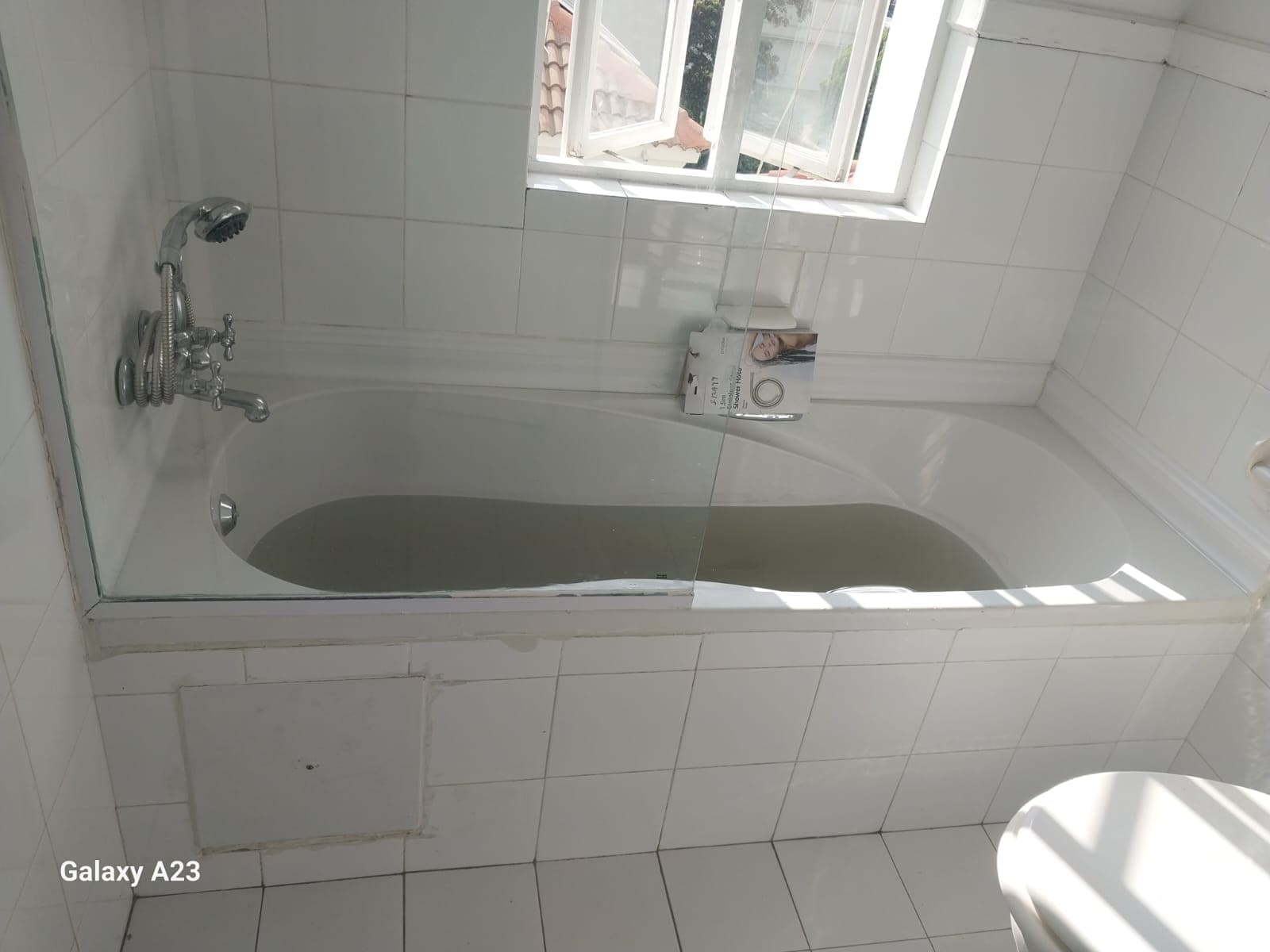
The drain is telling you where the fault is before it tells you what it is - and the mapping is consistent. A gurgling sink is an airlock in the branch line: something is holding water in a pipe that needs to breathe, and the gurgling is the pressure looking for a way out; near an access point, it is usually a soft blockage. A bath or basin that drains slowly but has not stopped is the classic grease-and-hair sleeve: the pipe is partially narrowed, the "fine" days are the low-flow days, and it acts up in the morning rush and will act up worse. A gully that floods when it rains is the stormwater signature: the fault sits on the stormwater side or at its junction with the sewer, and the camera is what separates the two, because the owner of the pipe and the fix are different. A toilet that backs up, or floor drains rising is the main-line signature: the blockage is downstream of every fixture on the line, which is why several fixtures act up at once - stop flushing immediately, treat the water as contaminated, and this is the one that qualifies for the 24/7 protocol. The meter that creeps with every tap off is not a blockage at all but the drain system's quiet cousin: a concealed leak on the supply side, billing you by the cubic metre at around R600/hour to find. The pattern that changes everything is recurrence: any symptom that returns after a clearing is no longer "a blockage" - it is a structural fault, roots or silt or collapse, announcing itself, and it is the point where the method stops being a choice and becomes the camera's call. A professional asks how many times it has happened before quoting for exactly this reason - the answer is what the method decision is built on.
The three clearing methods, and what each costs
Published benchmarks put Midrand drain clearing at R500-R1,500 - not a negotiation band, but three different jobs:
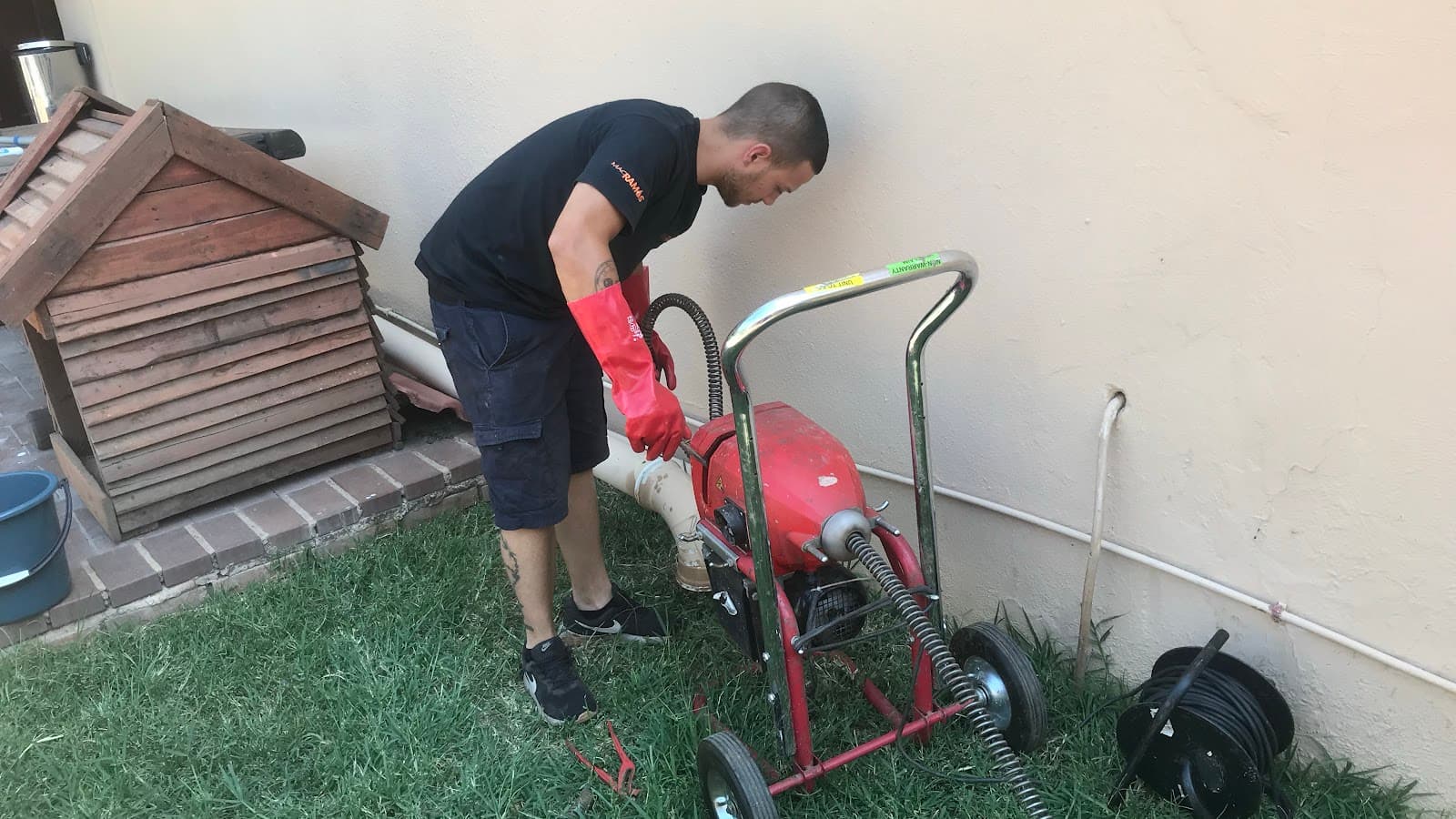
- Rodding - the mechanical cable, cheapest, for soft blockages near an access point. It clears the symptom, not the cause; a third rodding of the same drain is money spent on the symptom again.
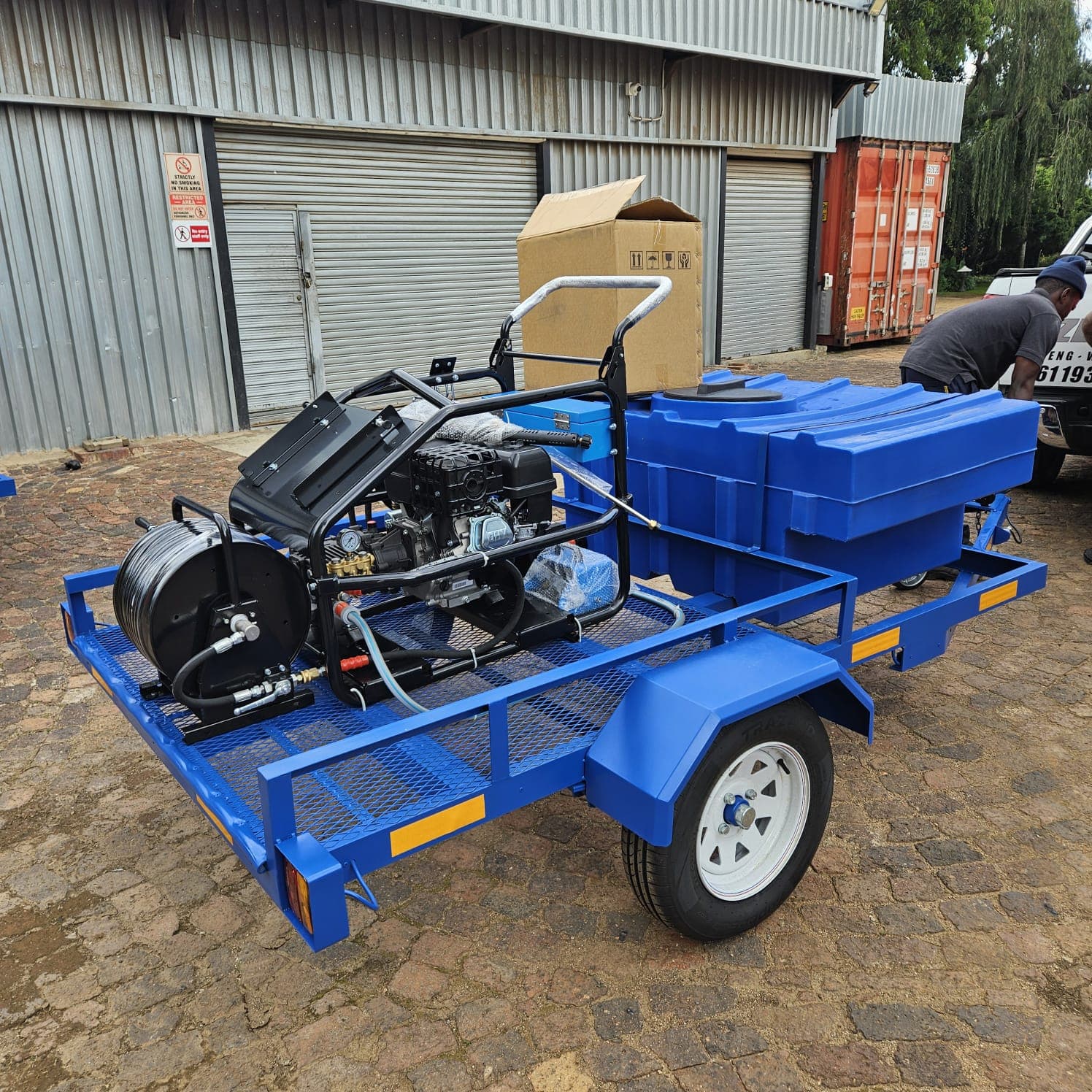
- High-pressure jetting - the middle of the range, for serious blockages, root incursion and stormwater lines; it also cleans the pipe wall while it is in there.
- Camera inspection - the top of the range, and the one worth paying for whenever the blockage recurs: the footage converts "I think" into "here is the fault - jet, reline or replace, priced against each other".
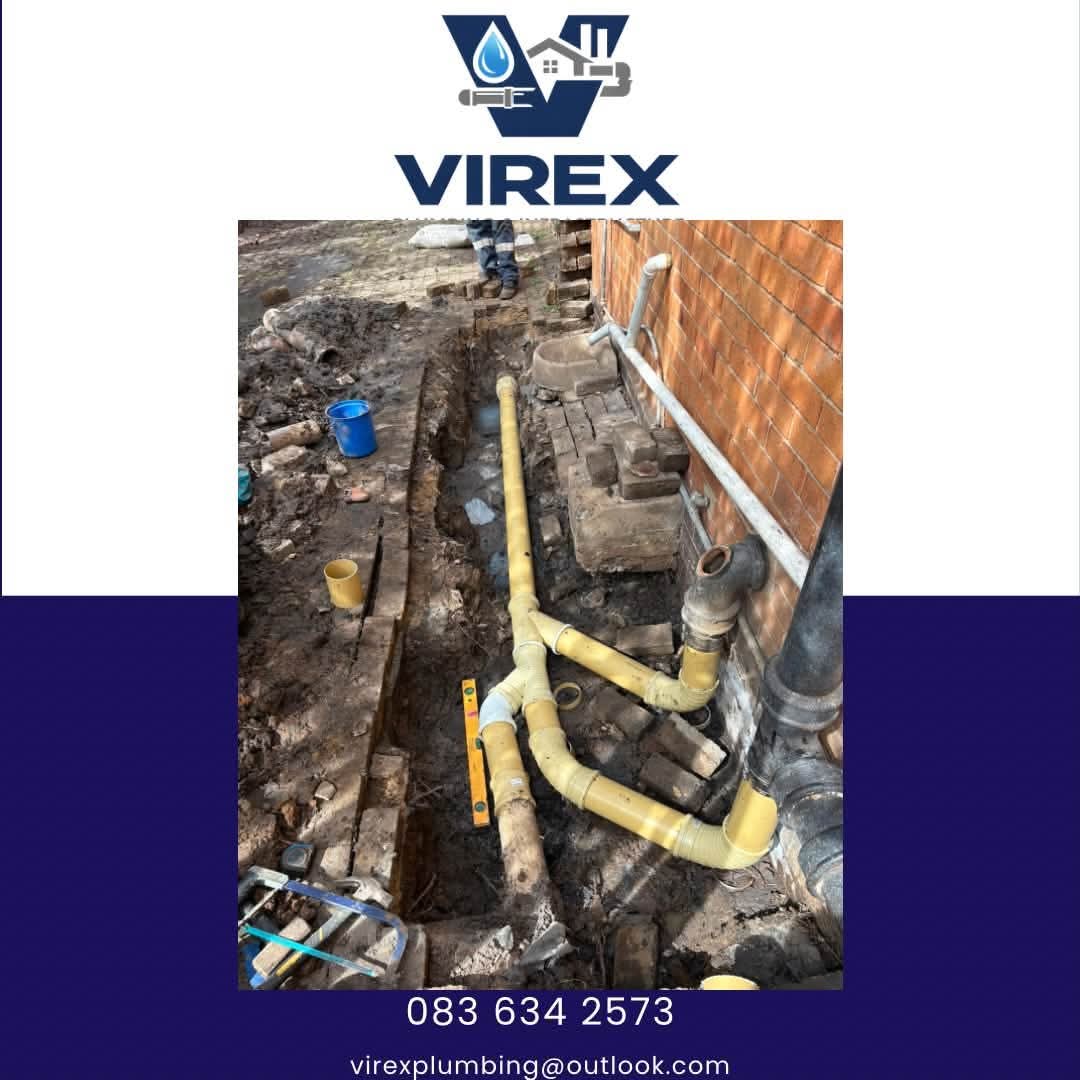
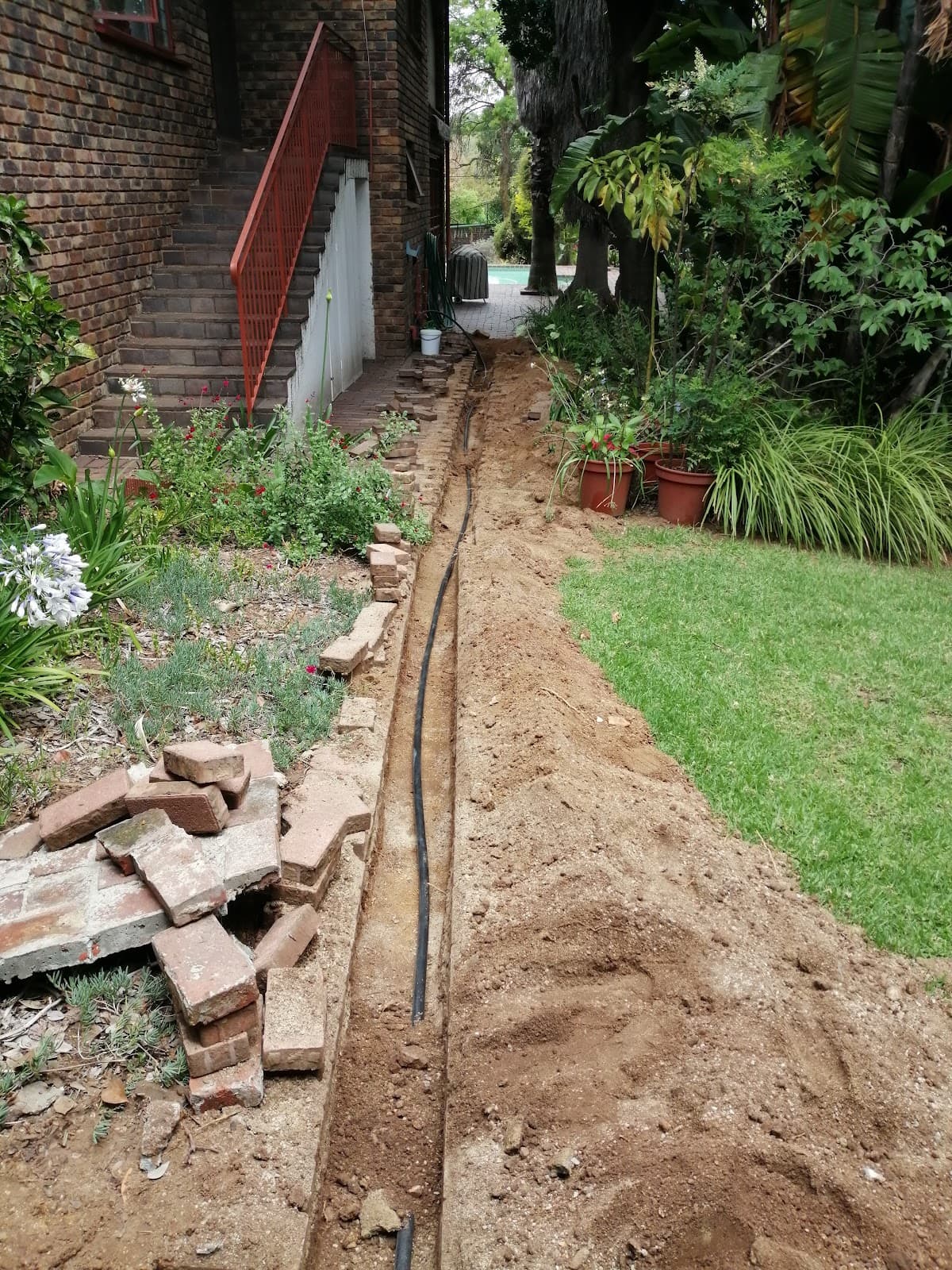
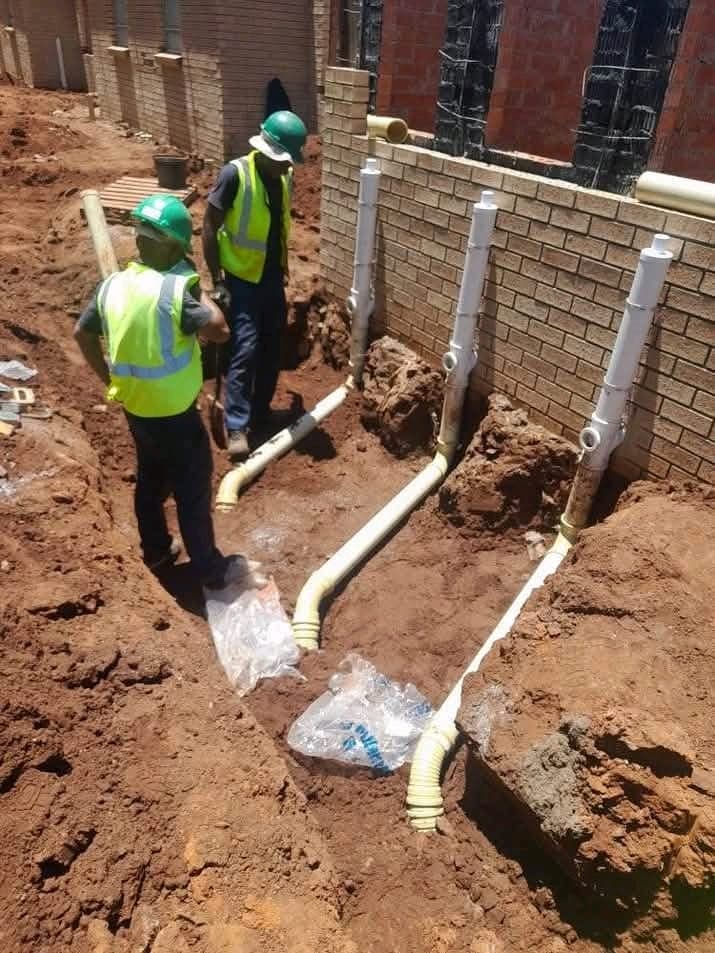
The sequence that saves money: recurrent blockage → camera first, then the method the camera specified. Single blockage, first time, near an access point → rod or jet, and it is done. When the camera shows structural failure, the durable options are section replacement (dig, replace, reinstate) or relining - a cured-in-place liner, no excavation, priced as a reconstruction rather than a clearing, with its case being the driveway and lawn it saves. Ask for the frames that justify the recommendation: a relining quote without the footage is a price without a diagnosis.
Recurring blockages: when rodding has done all it can do
The second blockage is a symptom; the third is a diagnosis. In Midrand's older suburbs - the pre-1990s lines in the eastern and southern areas, where clay and concrete drains run under the city's mature trees - the recurring blockage is most often root incursion: the roots grow into the joints, the hairline cracks and the old lead seals over years, toward the water and the warmth, and every rod clears the mass but not the entry point. The signature timing is the tell: cleared, back in six weeks, back in three - the shortening interval is the root mass rebuilding faster than the flow can carry it past. The durable fix is what the camera makes visible. Root cutting plus jetting for the lines where the root is the whole problem. Section replacement where a length of pipe has lost its structural integrity - the dig, the new section, the reinstatement of whatever was above it, which is why the quote covers more than the pipe. Relining for the lines where excavation is the real cost - a cured-in-place liner that roots cannot find, priced as a reconstruction and justified by the driveway and the lawn it saves. Each of these prices above the clearing range, and each should arrive with the footage that justifies it: a relining quote without the camera frames is a price without a diagnosis, and the frames are the part you get shown on the spot, with the metre count of where the fault sits on your line. The third rodding of the same drain is not a bargain - it is the fee for having skipped the camera at the second one.
Your line or the municipality's
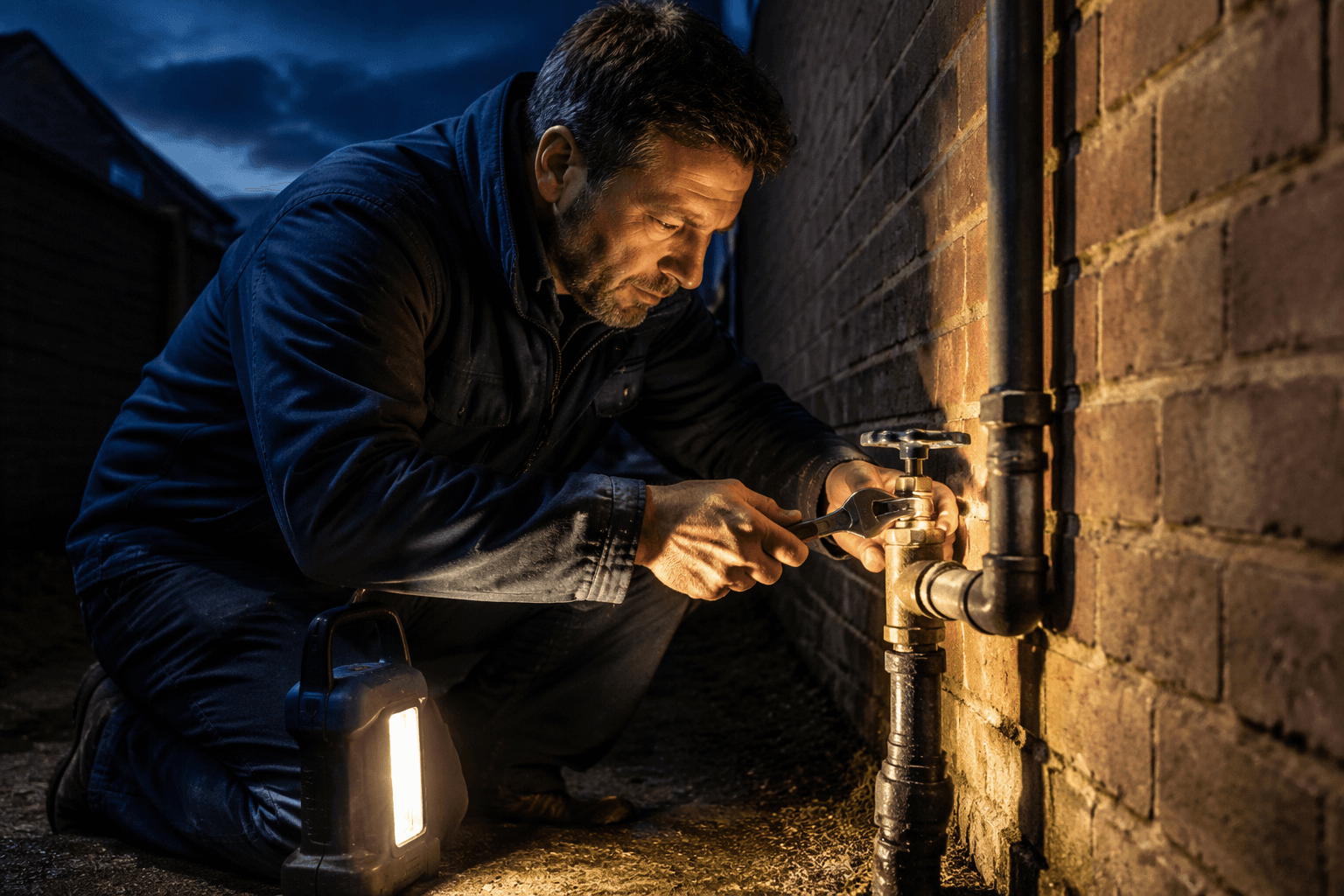
The most important distinction in drain work: your responsibility ends at the property line, typically at the connection point near the street. The test: if several properties on your street are backing up at once - your gully, your neighbour's, the one across the road - the fault is on the municipal trunk, a City of Johannesburg water/sewerage matter, not your invoice. A good local plumber says so within ten minutes and points you to the right desk rather than charging you to jet a pipe that is not yours. The reverse is also true: a blockage confined to your property, with the street flowing fine, is yours to fix. In the older eastern suburbs - Ivory Park, Clayville, Olifantsfontein - the municipal interface questions come up most often, because the trunk lines are old and the trees are huge (which suburbs carry the older lines). Same logic for the stormwater-vs-sewer mix-ups common in older suburbs: the camera shows which system the fault is on, and the property line shows who owns it.
What a drain visit looks like
- Triage. What is backing up, how many times, and whether it only happens in rain - the method decision starts there.
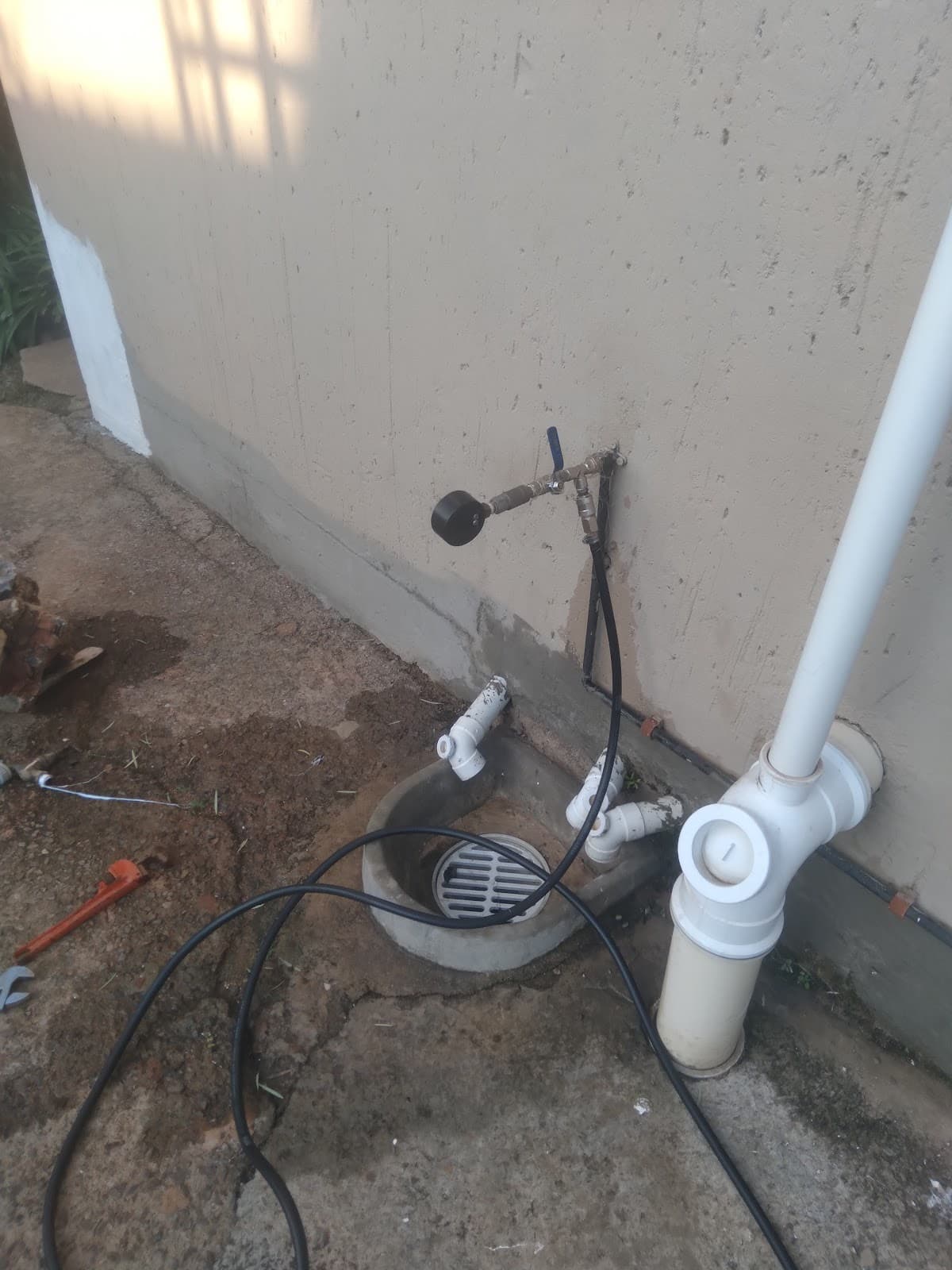
- Access and isolation. Gully, inspection chamber or roof stack opened, standing water cleared, and for sewer-side work, flushing stopped household-wide.
- The method, executed and narrated. The break is felt, the return water runs clear, or the footage is shown to you on the spot - the frame of your root zone is worth more than any verbal diagnosis.
- The honest options, then flush, test, document. For structural causes, the durable fix is priced against the cheap repeat; the line is tested under real flow, and the invoice is one transparent document - method, length worked, price. Like-for-like clearing is minor work with no permit, so there should be no mystery lines. Commercial and estate lines run the same three methods at scale - larger diameter, higher stakes, and a body-corporate or facility-management client you should confirm before the quote.
Estate, commercial and stormwater lines
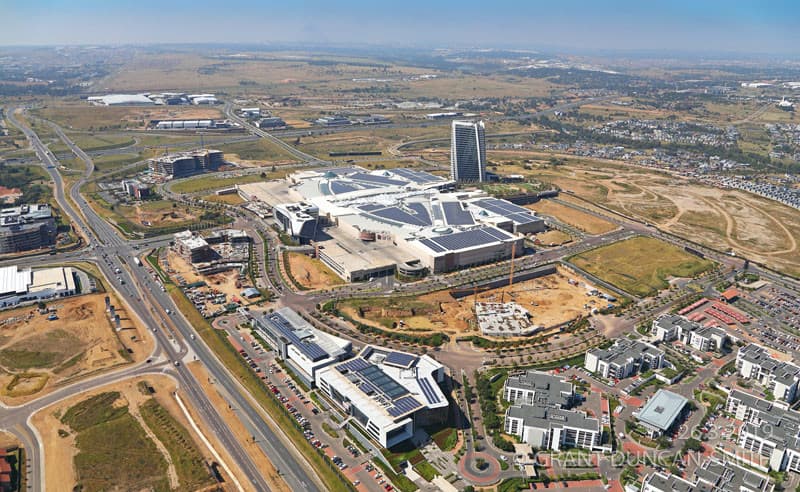
The same three methods run at different scales on the bigger lines, and the scale changes the client, not the physics. Estate and body-corporate systems - the shared drain mains, the gully fields, the communal plant - run the same rodding, jetting and CCTV sequence, but the commissioning client is the body corporate rather than the household: confirm who is commissioning the work before the quote, because it changes who signs, who pays and which warranty applies, and the communal isolation valve is often the only thing that stops a main-line leak. Send the gate instructions with the request - the after-hours rules and the visitor log are what move an estate drain number in practice, and the operators who list estate work in their service menu have the access workflow already worked out. Commercial lines - the N1 office parks, the retail nodes, the conference-scale facilities - run on the facility-management clock: scheduled after-hours windows, site-access paperwork and credit terms, and the drainage behind the landscaped forecourts is where the stormwater capacity problems live. Stormwater at scale is the Midrand-specific one: the summer storms put a full design flow through lines that were sized for a different rainfall record, and the "only acts up when it rains" discovery at commercial scale is often a capacity problem, not a blockage - the camera and the flow arithmetic decide whether the fix is a cleanout, a re-route or a reconstruction. The price logic holds across all three: the method sets the range, the diameter and the access set the position inside it, and the invoice should be one transparent document - method, length worked, price.
Stopping the next blockage
- Kitchen: the fat jar. Cooking fat goes in the bin, not the sink - the grease sleeve behind half of all kitchen blockages is built one pan-washing at a time; a strainer catches the rest.
- Bathroom: the monthly hair pull - thirty seconds that prevents the slow clog that becomes the emergency.
- One scheduled jet before storm season (inside the published R500-R1,500 range) - the calm version of the problem is always the cheap version.
- Know your access points - and keep them unpaved: an inspection chamber under new pavers is a jetting job that became a demolition job.
How this guide was researched
This guide was compiled by the directory's research team from public sources accessed on 30 September 2026 and reviewed against the standards the claims depend on: the published drain-clearing rate benchmarks, the property-line and municipal-responsibility split under the City of Johannesburg's water and sewerage jurisdiction, SANS 10400-H and the plumbing codes for the structural-fix side of the line, and PIRB registration for the COC question. Every price in it is a published benchmark - none were invented, and the relining and section-replacement categories that price as reconstruction are left out of the clearing range rather than forced into it. The directory is independently operated, with no affiliation to any listed provider, and the pay-per-lead model means no operator can buy a position in it. If a fact here does not match what you see on the ground, the correction belongs with the sources, not with the narrative - and that is a check you can run yourself using the links below.
Sources & references
Accessed 30 September 2026. Rate figures are the published benchmarks cited in this guide.
- Published drain-clearing and leak-detection rates (Plumber Rates)
- Published hourly plumber rates (ProCompare)
- A Gauteng plumbing cost guide (Fourways Plumber)
- Midrand's suburbs and development history (Wikipedia)
- City of Johannesburg - water and sewerage
- OpenStreetMap - locating the municipal interface on your street
When your gully starts gurgling, the directory does the rest: the operators who list drain work show their methods and published prices before you book, and the quote form sends your description - including how many times it has happened - to all of them at once. The camera footage shows the actual fault, and the price you pay is the price of the job the camera specified, not the job the symptom suggested. That is how blocked drains in Midrand are supposed to be fixed: diagnosed, priced, done once.