




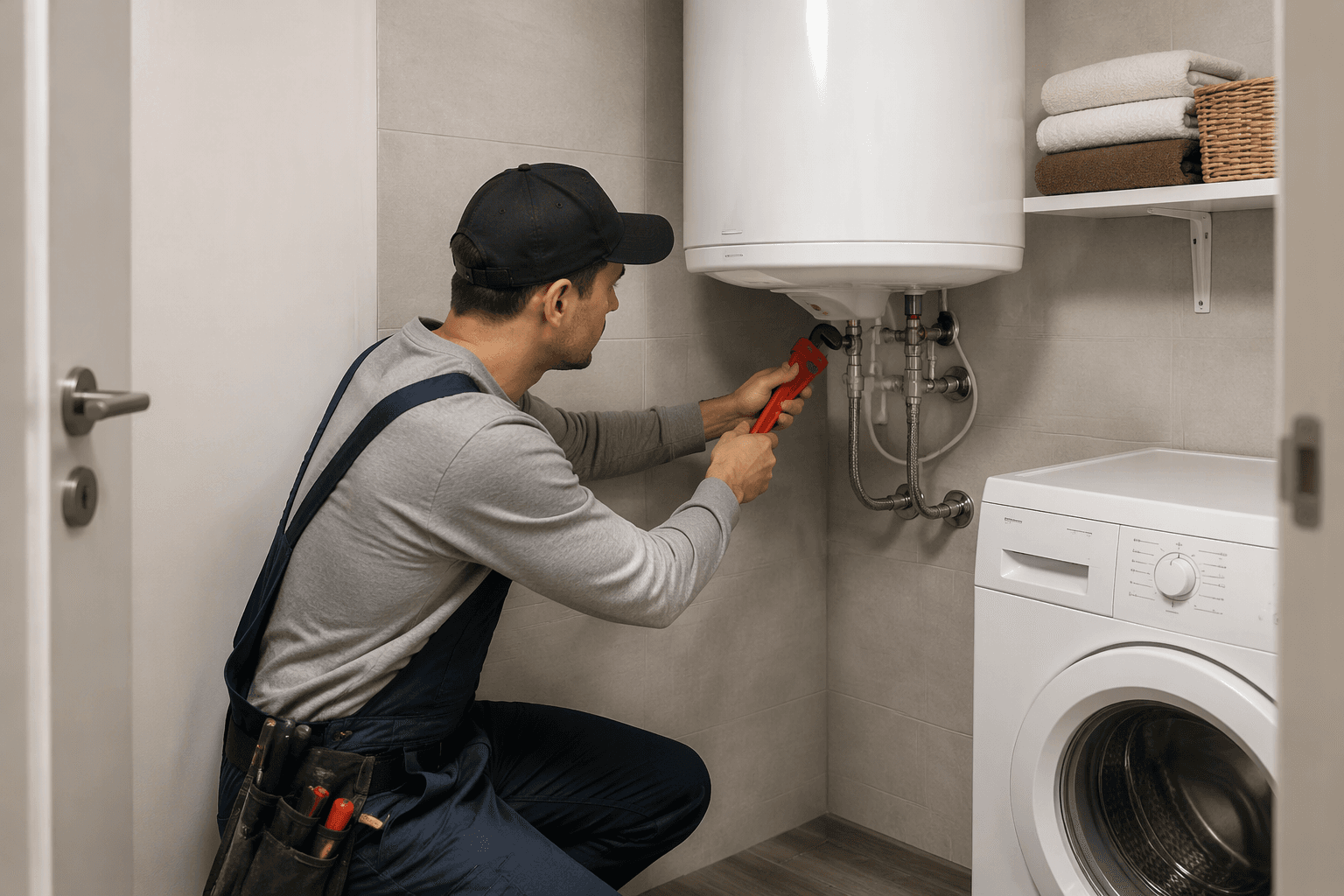


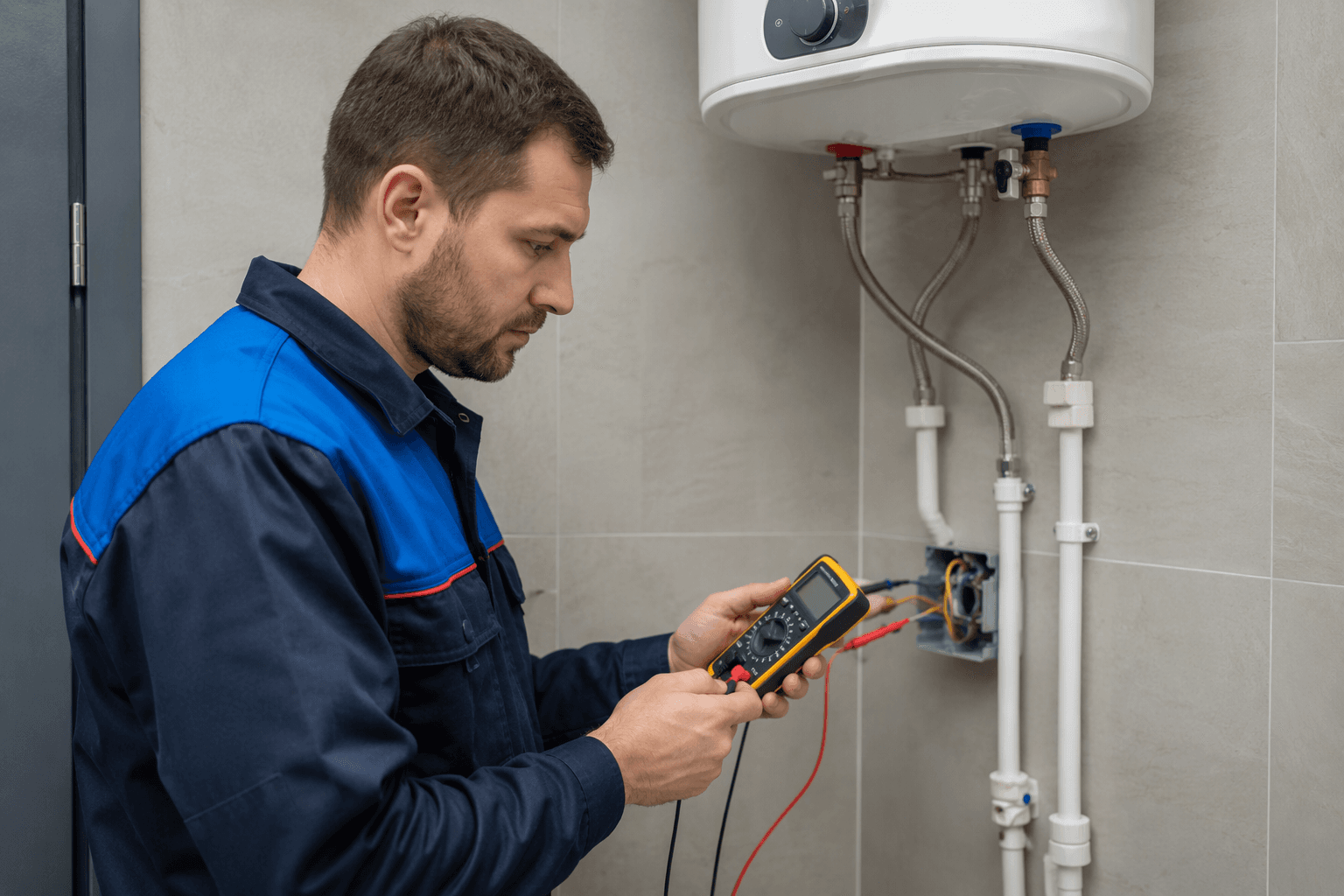



"Plumber prices near me" is the search of someone who's already been burned once or is about to be, and that's exactly the person this guide is for. I'm Mike Fleming — 18 years in the trade, 17 of them pricing and doing work across Midrand — and the honest answer to "what should I pay?" is that the number has a logic to it, and once you can see the logic, you can't be surprised by an invoice. Here's the 2026 rate map, what actually moves a price up or down, hourly versus fixed done properly, and how to compare two quotes without the cheaper one quietly being the more expensive one.
Written by Mike Fleming — 18 years in the plumbing trade, 17 of them working in Midrand. 1,670+ jobs completed, 21+ estate projects. Reviewed and approved by the midrandplumbers.co.za admin team · checked against the PIRB register, SANS 10400‑H and City of Johannesburg water regulations on 8 October 2026. Independently operated directory — no affiliation with listed providers.
The 2026 Midrand rate map, in one table
These are the bands compiled from provider-published prices in our directory, cross-checked against 18 years of my own job history. Use them as the map; a specific quote is the route.
| Service | Fair 2026 band (Midrand) | Priced as |
|---|---|---|
| Hourly rate (daytime) | R400 – R900/hr | Hourly |
| Emergency call-out (night/weekend) | R600 – R1,300/hr | Hourly + premium |
| Simple fix (tap, flapper, cistern) | R500 – R1,500 | Fixed / all-in |
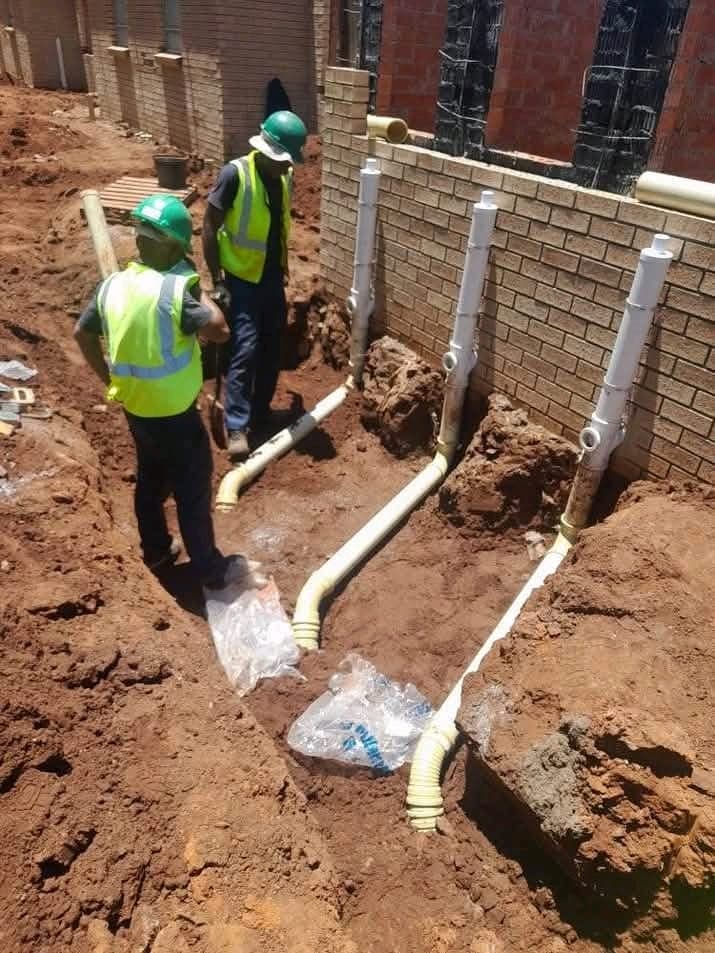
| Blocked drain (straightforward) | R500 – R1,500 | Fixed |
| Leak detection | From R600/hr | Hourly |
| Geyser element / thermostat | R3,500 – R4,500 | Fixed (parts + labour) |
| Geyser replacement (unit + install) | R5,000 – R15,000 | Fixed |
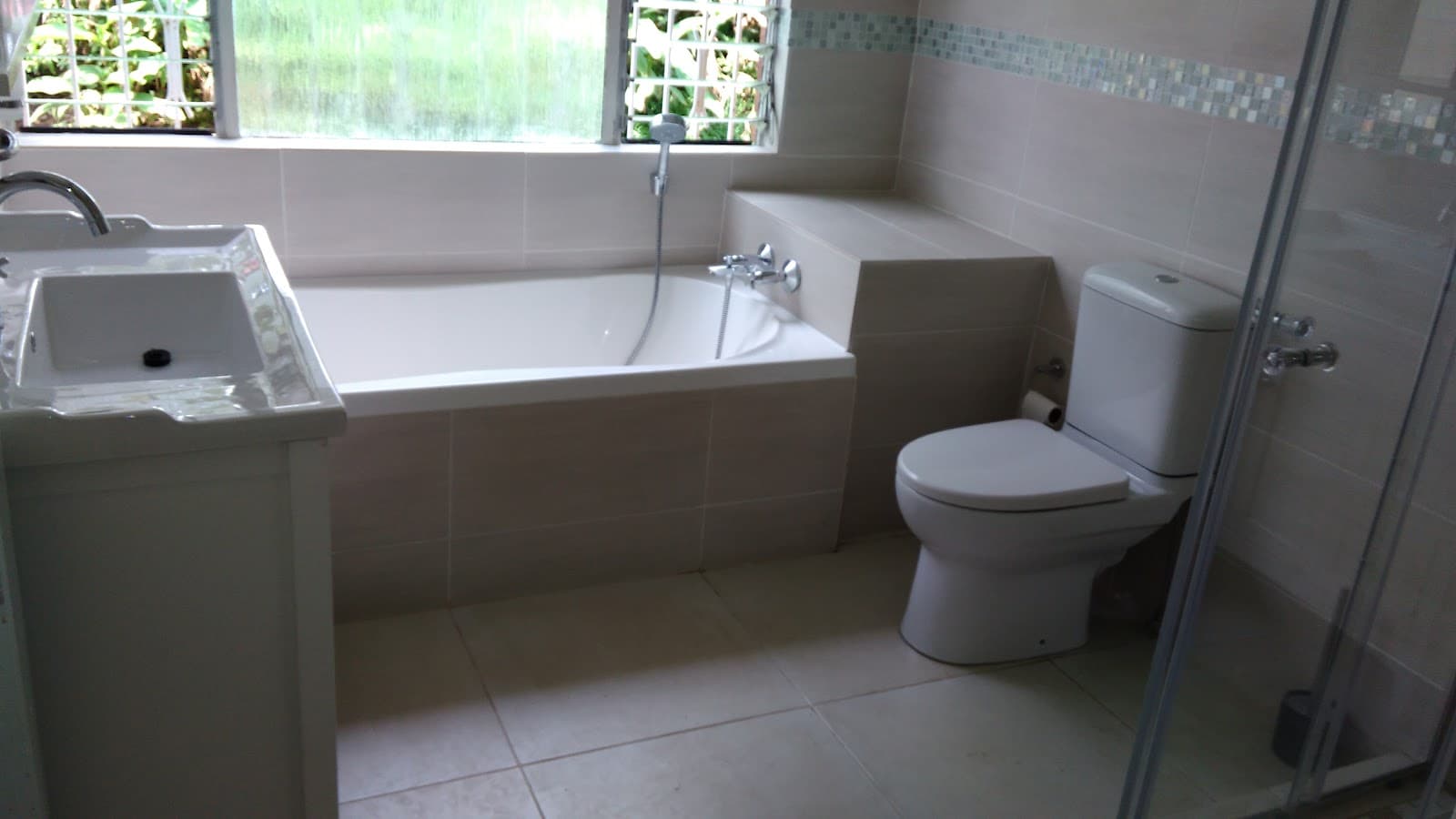
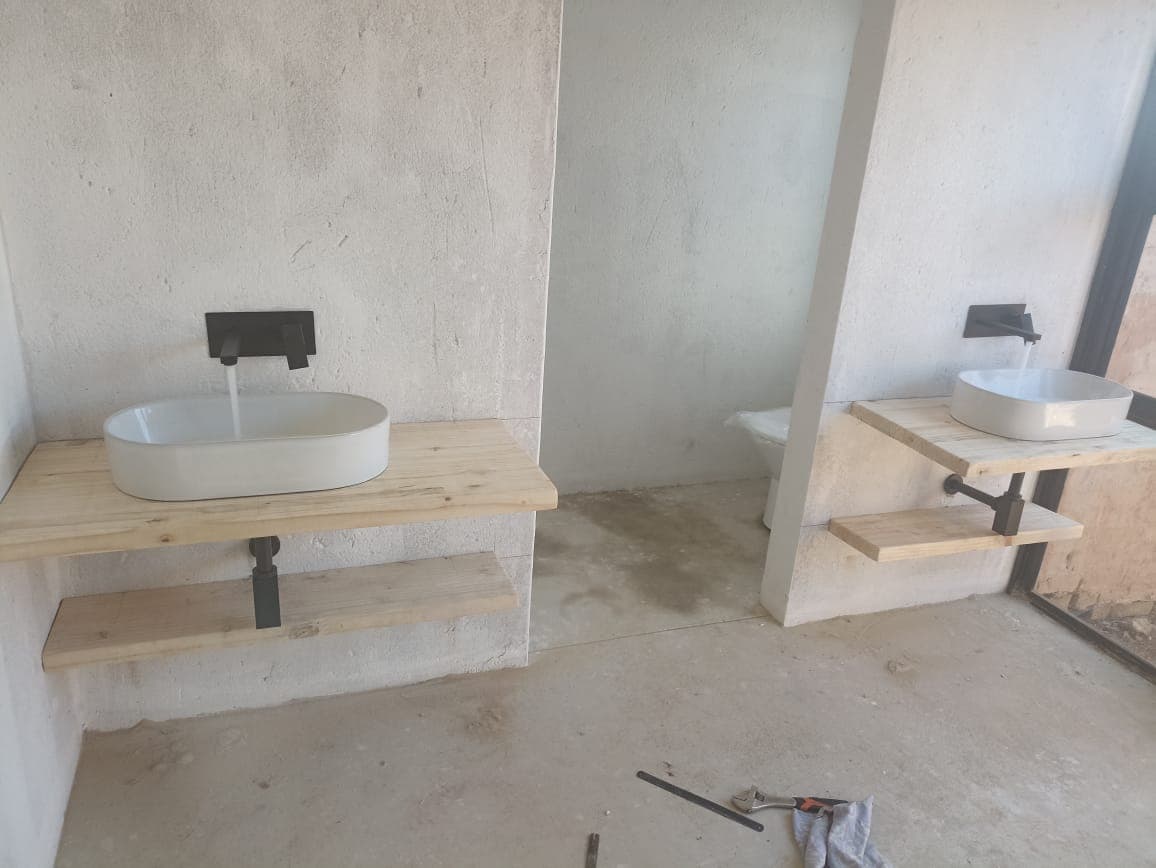
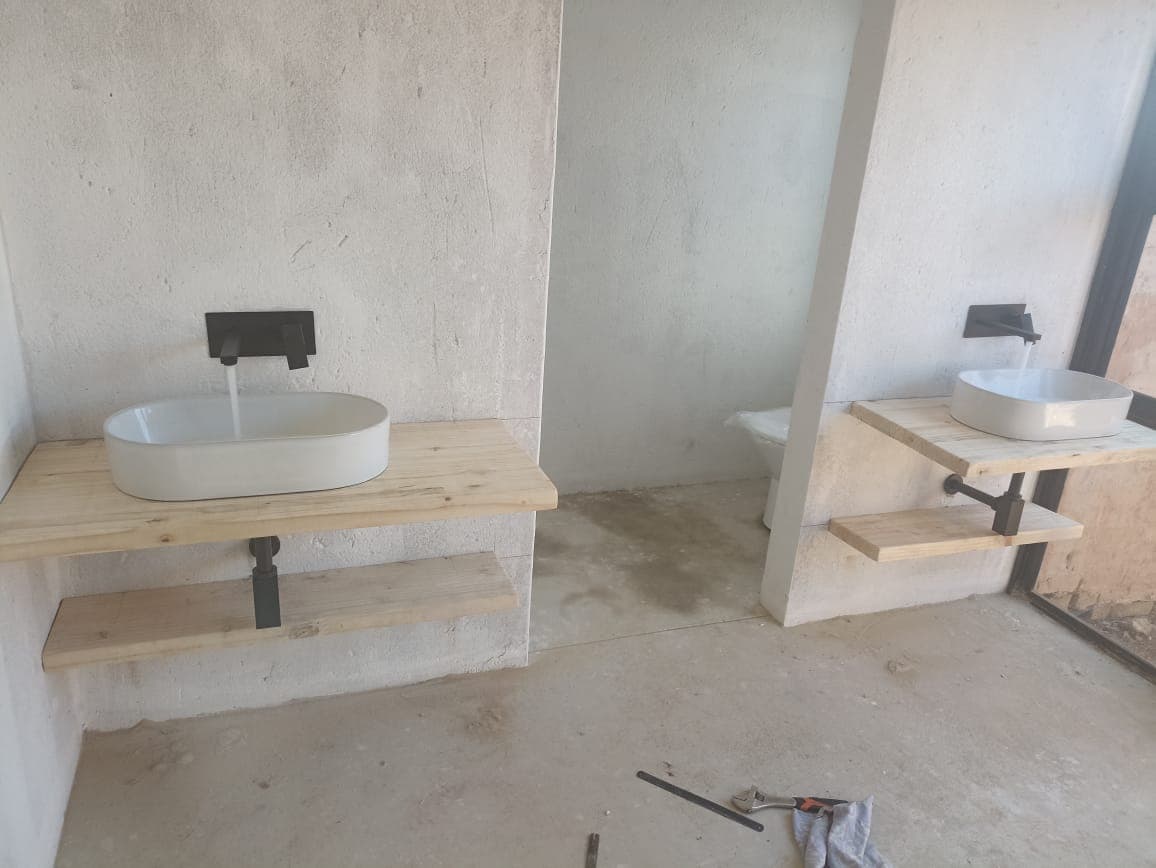
| Bathroom wet area (new install) | From R9,500 | Fixed / project |
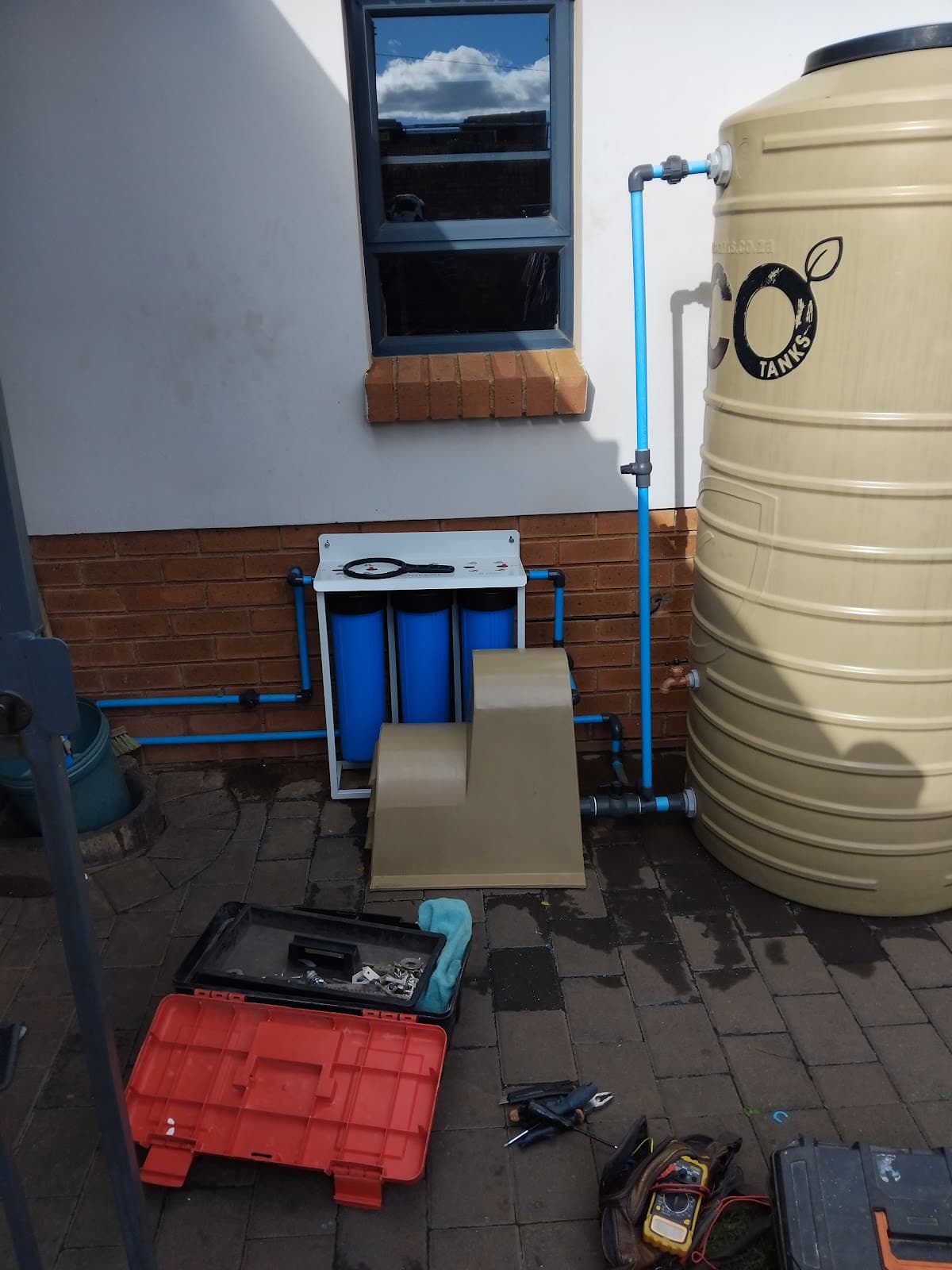
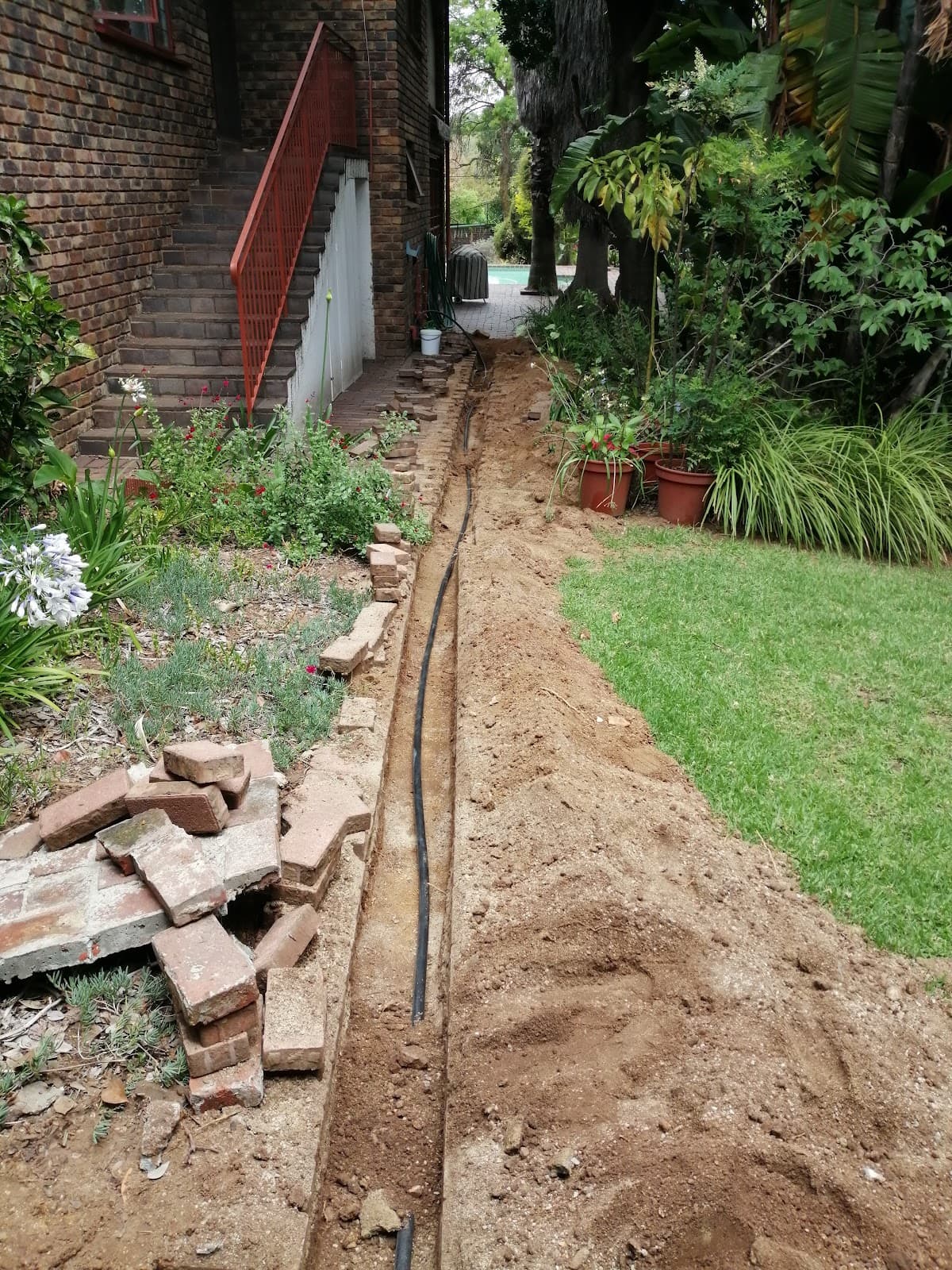
| Garden irrigation repair + new run | From R3,200 | Fixed |
Notice the shape: small, well-defined jobs are priced fixed; open-ended or after-hours work is priced hourly. That split is the single most important thing in this guide, because most billing disputes are really a mismatch between what the job was and how it was priced. If your quote is hourly and the job was obviously fixed-scope, you've already lost a little — and if it's fixed and the job is genuinely open-ended, the provider is carrying a risk that should be priced into the number.
What actually moves a price up (the five real drivers)
People assume price is about the plumber's greed. In 18 years I can tell you it's about five things, in roughly this order of impact:
- Access and concealment. The same geyser element is a two-hour job if it's in a cupboard and a full day if it's in a roof-space with a slab edge and a re-bed. The part costs the same; the access doesn't. Ask yourself how the plumber gets to the problem before you judge the price.
- Parts spec. A SABS-certified (NRCS-approved) joint, element or unit costs more than the unbranded equivalent and lasts longer. When a quote jumps, the part is usually why — and that's a legitimate jump, not a rip-off. This is why "parts named by brand" on the quote matters.
- When. Night and weekend work carries the R600–R1,300/hr band because someone left a warm bed. It's not a markup on a markup; it's a different shift. The cheapest version of any job is the one booked in a weekday morning slot.
- Risk and consequence. A supply-connection job, a slab leak, a commercial floor — the higher the cost of getting it wrong, the higher the price should be, because the provider is insuring against their own error. A flapper doesn't carry that risk; a main does.
- Travel. A provider based on the far side of the node adds travel on small jobs. It's real, it's modest, and it's the one line item you should ask to be shown separately.
If you understand those five, you can look at any quote and tell whether a high number is explained or unexplained. That's the whole skill of paying a fair price.
Hourly versus fixed: how to get the right one
The rule is simple and I hold it on every job: if the scope is knowable before the work starts, get it fixed; if it genuinely isn't, get it hourly with a ceiling.
- Fixed is right for: named-part repairs (element, thermostat, a specific cistern), clears with a defined end point, any renovation or install with a written scope. You pay the number, the provider carries the time risk, and there's no meter running in your head.
- Hourly is right for: unknown diagnoses (a leak you can't yet see, a pressure problem, "something's wrong"), after-hours call-outs where nobody knows the job's shape until the van arrives.
- The hybrid that protects you: hourly, but with an agreed ceiling and a checkpoint — "we stop and re-quote as a fixed number once we've isolated the cause." This is the structure I'd want on my own house for any job that starts hourly and might grow.
The red flag in both directions: a "fixed" quote that has no scope (so it's really an estimate wearing a fixed label), and an "hourly" quote with no ceiling (so it's open-ended). A clean quote is one where you can say out loud, "if X happens, the number becomes Y." If you can't say that, it isn't fixed yet.
How to compare two quotes without the cheaper one winning
This is where people get burned, so I'm specific. Two quotes for "the same job" are almost never for the same job, and the comparison only works line by line:
- Scope first. What's included and, more importantly, what's excluded. A R1,200 quote that excludes the part and a R1,600 quote that includes it are not a R400 difference — the first one becomes R2,000+ the moment the part is named.
- Parts by brand. "SABS-certified element, [brand]" versus "element as per standard" is a spec comparison, not a price comparison.
- The pricing structure. Fixed vs hourly vs hourly-with-ceiling, from the section above. A lower hourly rate on an open-ended job can cost more than a higher fixed quote on a defined one.
- Travel and call-out shown separately. So you're not comparing an all-in number against an ex-travel number.
- The proof lines. PIRB number, warranty, who's coming. A quote that can't produce those is not a quote, it's a starting price.
Do that and the "cheaper" quote usually either reveals what it was excluding or falls away on the proof lines. The full cost landscape, including the directory's published bands for every service, is in our plumbing costs in Midrand guide; the "don't pay for the wrong things" side of it is in cheap plumbers in Midrand, and the method for getting the quotes in the first place is in plumbers near me in Midrand.
A fair price, understood, is cheaper than a cheap price, discovered. That's the whole guide — and it's the one I'd want the person on the other end of my own phone to be reading at the same time.