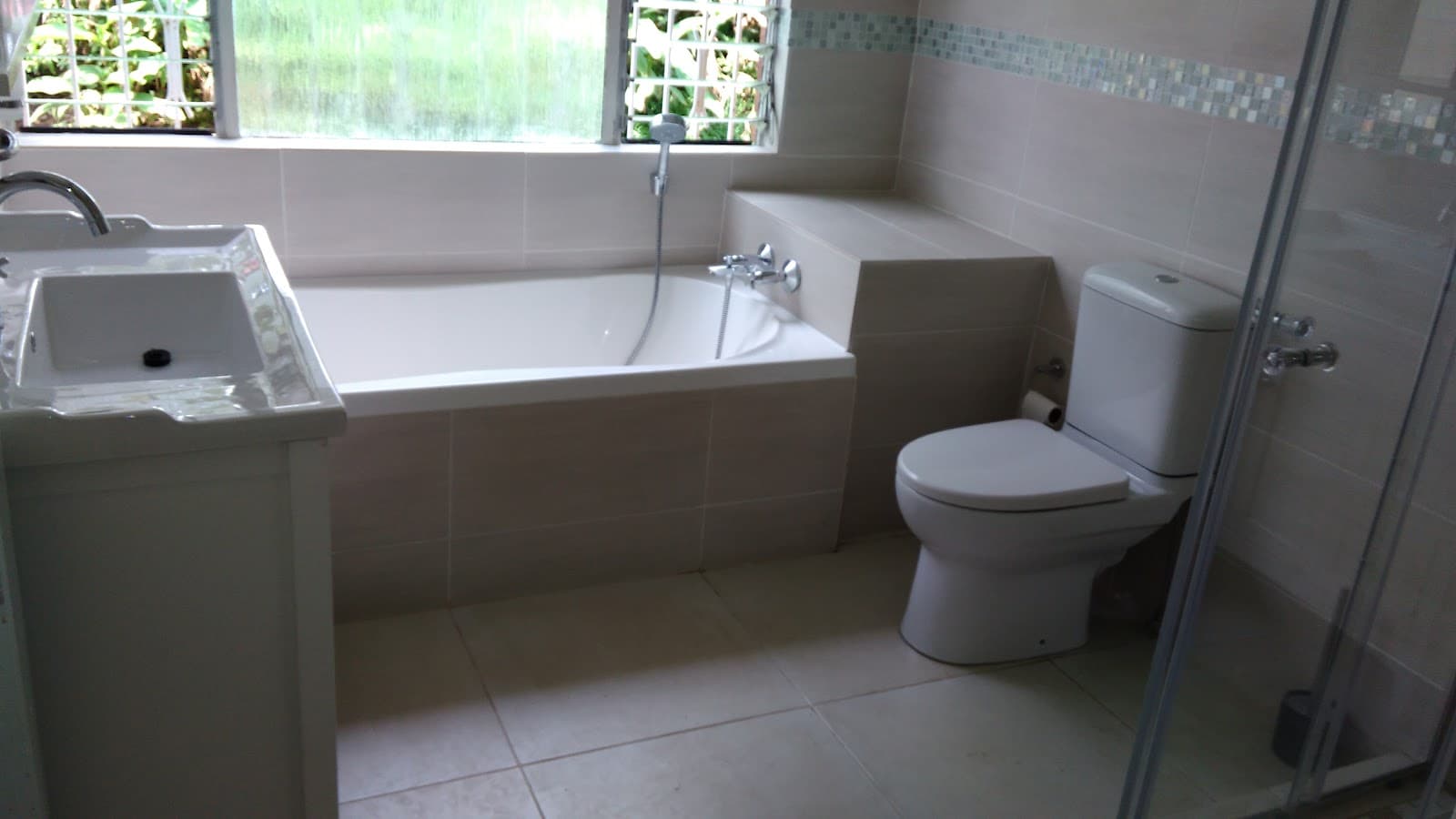
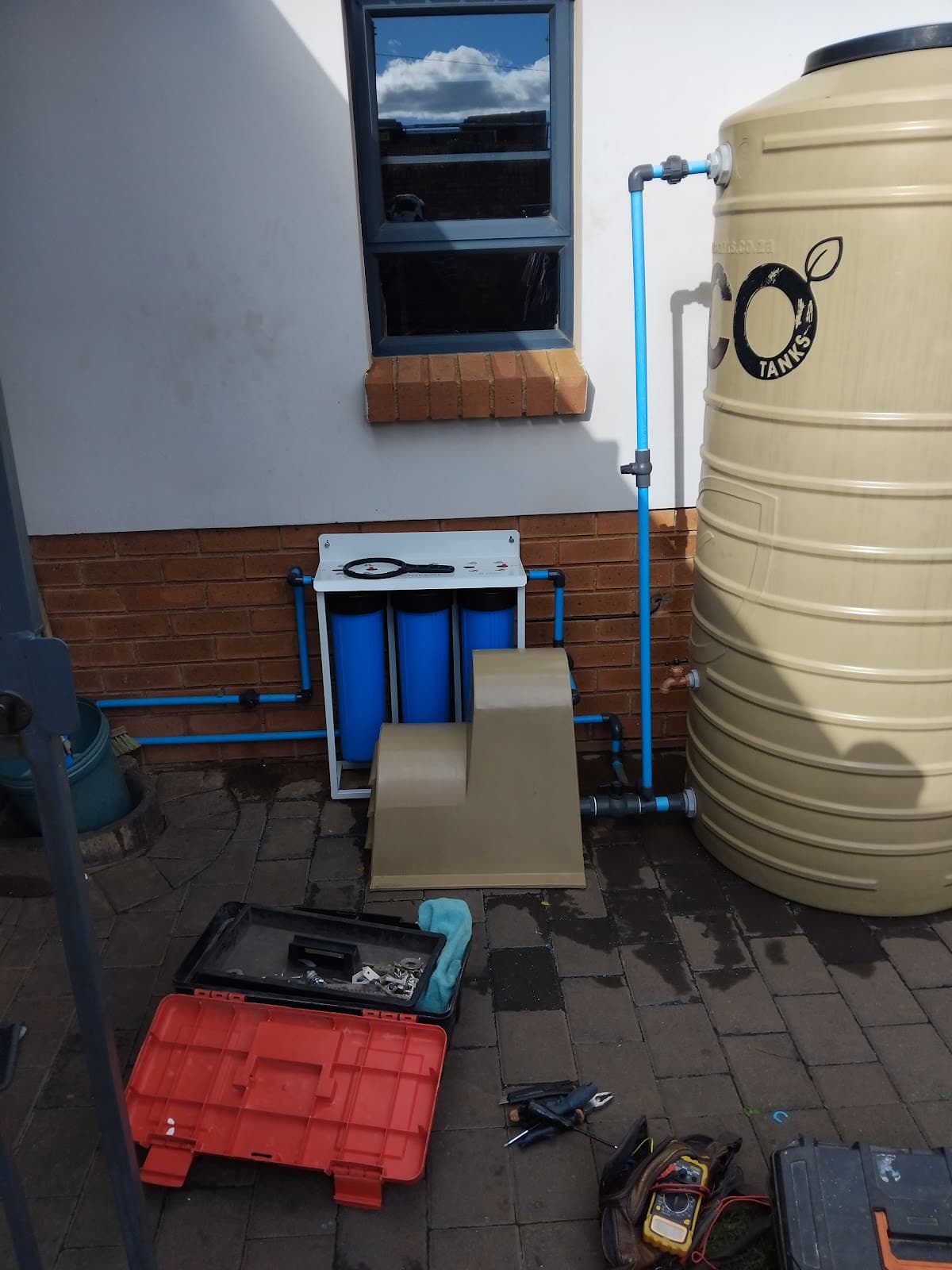
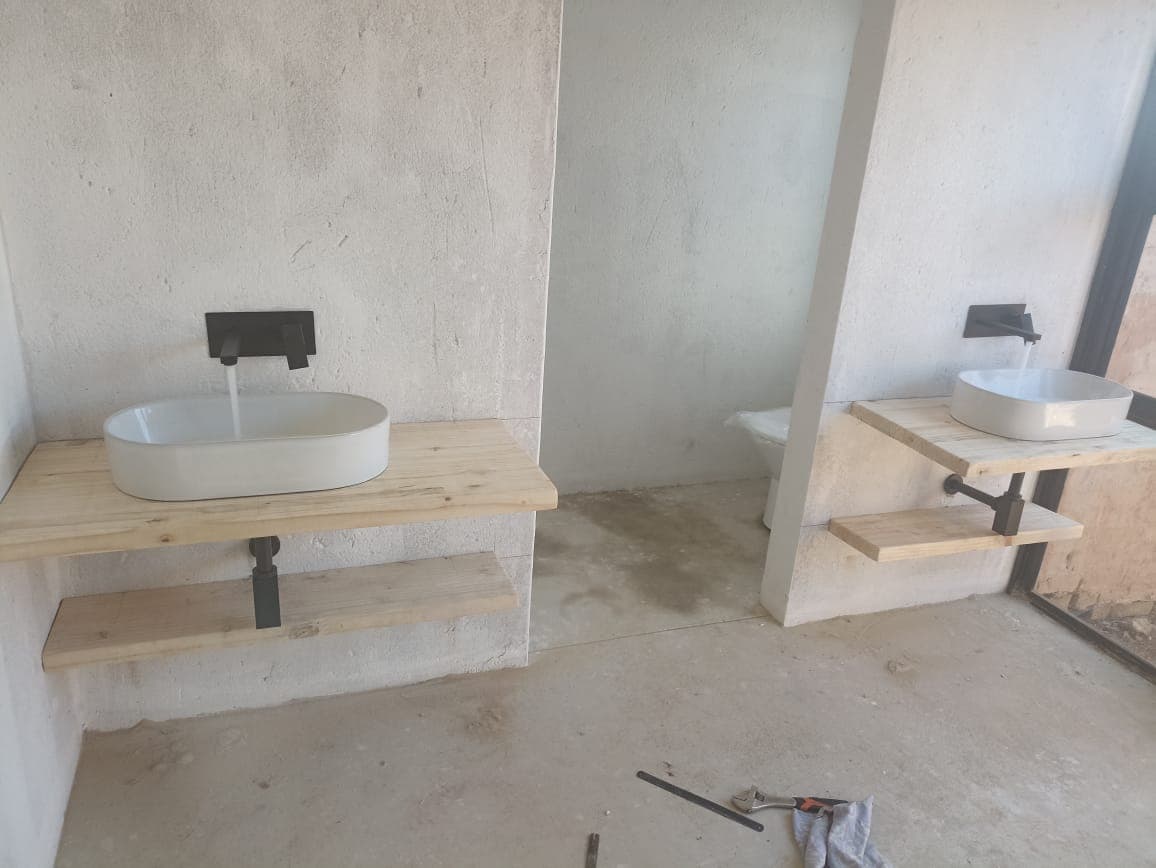








"Plumbing firms near me" is usually one of two searches: a bigger job — a renovation, an estate section, a commercial floor — or a buyer who wants more than one pair of hands. Both are legitimate, and both deserve the same treatment: proofs before promises. I'm Mike Fleming — 18 years in the trade, 17 in Midrand, 1,670+ jobs, and I've worked on 21+ estate projects, some as part of a firm, some alongside them. This guide covers what a firm should be able to hand you on day one, how to verify each item, what a firm should cost in 2026, and the honest answer to when a sole trader is the better buy.
Written by Mike Fleming — 18 years in the plumbing trade, 17 of them working in Midrand. 1,670+ jobs completed, 21+ estate projects. Reviewed and approved by the midrandplumbers.co.za admin team · checked against the PIRB register, SANS 10400‑H and City of Johannesburg water regulations on 8 October 2026. Independently operated directory — no affiliation with listed providers.
Firm versus sole trader: what actually changes
The difference isn't prestige — it's capacity and risk-bearing. A sole trader is one skilled person with a van: fastest to book, personally accountable, and exactly one person deep. A firm adds things that only matter when the job gets big or long:
| Dimension | Sole trader | Firm |
|---|---|---|
| Single small repair | Fastest, cheapest route | Overkill |
| Geyser / one-room job | Fine, if experienced | Fine |
| Bathroom reno / multi-day | Works if nothing interrupts | Backup if someone's sick or a part is delayed |
| Estate section / commercial floor | Capacity and insurance usually insufficient | Built for it |
| Written programme & milestones | Rarely offered | Standard on real firms |
| Public liability & workmans' comp | Variable | Expected, verifiable |
Two rules from my side of the counter. First, the size of the job should decide, not the size of the logo — I've watched a R4,000 "firm" quote for a flapper and a one-man operation deliver a flawless bathroom. Second, for anything multi-day, ask who does the work if the named plumber is unavailable. A firm answers with a name; a one-man show answers with a shrug — and that answer is the whole article in one line.
The five proofs a firm should hand you before you sign
- PIRB company registration — and the number, not a screenshot. The Plumbing Industry Registration Board register is public. A firm doing supply-connection work on your property should name its registered plumber(s) on the quote. Verify the number yourself; it takes two minutes and it's the single highest-signal check in this list.
- Public liability insurance — with a certificate. For a firm working in your home, ask what it covers and for how much; for estate or commercial work, your insurer or body corporate will want the document, not the reassurance. "We're insured" without a certificate in hand is a conversation, not a proof.
- Workmans' compensation (COIDA) coverage — for any team of two or more on site. It protects you: an uninsured worker's injury on your property is your liability problem before it's anyone else's.
- Company details that match the quote — the entity on the invoice is the entity you checked. Firms that quote as "ABC Plumbing" and invoice from an unregistered personal account are telling you which entity will answer when something goes wrong.
- A method statement and programme for the job — on any multi-day or multi-unit work, the programme is the document: sequence, days, access needs, test points, handover. On the estate projects I've been involved in, the programme is what separates a nine-day bathroom refit from a three-week argument. A firm that won't put dates in writing doesn't have them.
All five cost a real firm nothing to provide, which is exactly the point: the request filters the market for you before you spend a rand.
What a firm costs in Midrand (2026) — and when it's worth it
Firms price at the top of the market bands, and in 2026 Midrand that's the R700–R900/hr end of the daytime hourly range, fixed project quotes for scoped work, and the same component bands everywhere: geyser element/thermostat R3,500–R4,500, geyser replacement R5,000–R15,000 all-in, bathroom wet areas from R9,500, emergency call-outs R600–R1,300/hr.
Is the premium worth it? By job: for a single-point repair, no — a competent sole trader at R400–R600/hr delivers the same fix. For a bathroom reno, usually yes — you're paying for the programme, the backup and the invoice trail, which is what your builder or developer will actually manage against. For estate or commercial work, it's not a question — capacity, insurance and a named registered plumber are the entry ticket, not the extras. My rule: pay the firm premium for accountability you can manage, never for a tap. The full rate context is in our plumbing costs in Midrand guide.
Reading a firm's quote like an owner
A proper project quote in Midrand has eight lines, and the absence of any one of them is a finding:
- Scope, written as what will be done — and, at least as important, exclusions, written as what won't be.
- Materials named by brand and spec, not "as per standard."
- The programme — dates, not "as soon as possible."
- Payment milestones — and here's the line I hold firm on: on any significant job, no more than a small deposit up front, with the balance following completed, tested stages. A firm asking for most of the money before the first pipe is cut is asking you to fund its cash flow.
- The named registered plumber on site, with the PIRB number.
- Test points and commissioning — pressure test, leak test, hot-water test, each with a sign-off.
- Warranty period in writing, with what it covers.
- Who's responsible if it fails in month five — one name, one number.
Compare two firm quotes line by line against that list and the comparison does itself. Quotes that can't produce the eight lines aren't cheaper — they're shorter, and the missing lines come back as change orders.
Case study: a six-unit bathroom refit, done as a project
On a Midrand estate section, six bathrooms went out for refit in one programme. The firm that won it was the one that produced all eight quote lines — including a nine-day programme per unit running in staggered sequence, a 10% deposit with milestone payments against tested stages, a named registered plumber per unit, and a 12-month workmanship warranty in writing. It ran the programme in nine days, with zero comebacks in the first three months, which on six simultaneous wet areas is about as clean as it gets. The losing quote was 15% cheaper and had no programme line — and everyone who saw it knew exactly what that 15% would come back as.
The lesson I give body corporates: on multi-unit work, the cheapest firm is a bet, and the bet is always priced — the question is only whether you or the programme pays.
When a sole trader is the better buy
Be clear-eyed about it, because it's often true: for single-room, single-trade jobs where speed and price matter more than programme — a geyser element, a blocked main, a leaking kitchen sink, one bathroom's worth of like-for-like repairs — a sole trader with published rates, a clean review record and a PIRB number is the right tool, and the "firm" premium buys you nothing. The directory carries both types with the same data discipline, so the comparison is fair: filter by job, check the proofs a sole trader can produce (registration number, named parts, warranty stated), and let the job size decide. If the same job is multi-day, multi-unit or commercial, come back to the five proofs above. For emergencies in either world, the 24-hour plumber guide applies the same vetting at 2 AM.
Proofs before promises, job size before logo size — those two sentences are the whole guide, and they've saved Midrand homeowners more money than any discount.